


The Connection Between Muscle Knots and Joint Pain – How Can Massage Help?
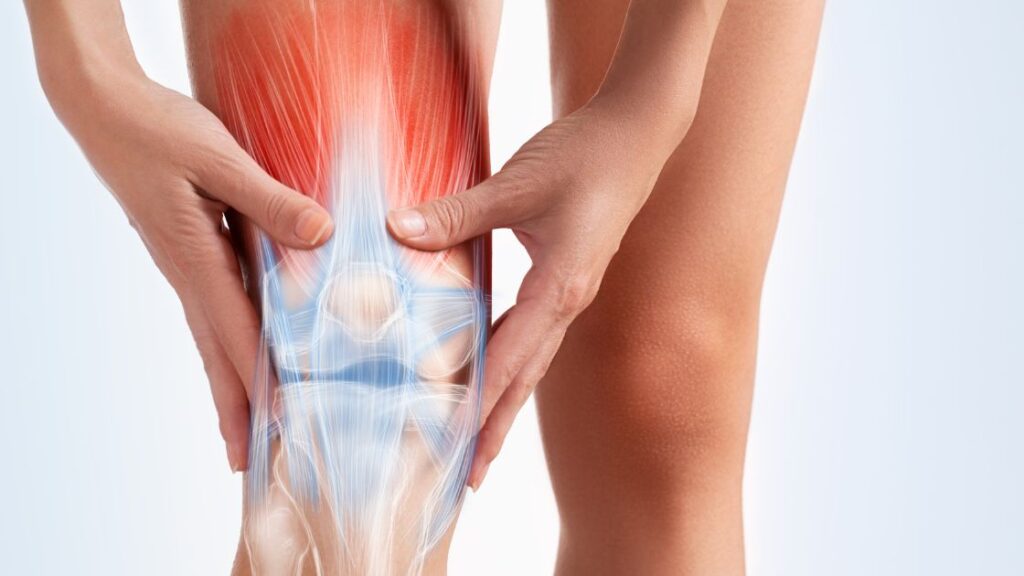
There is a connection between muscle knots and joint pain/restrictions, and it’s due to how the musculoskeletal system functions as a single integrated unit.
In order for the body to perform to the best of its ability, both the muscular and skeletal systems need to be in optimal health. This goal can be obtained through preventative measures, such as using proper body mechanics or being mindful of posture… but many of us already succumbed to the effects of not doing either of those things and could use some hands-on treatment to get those muscles and joints back into alignment.
Massage therapy is a commonly sought-out treatment for muscle and joint discomfort. Before we dive into how therapeutic massage remedies these connected issues, let’s discuss how the two types of pain are related.
The Relationship Between Knots and Joint Pain
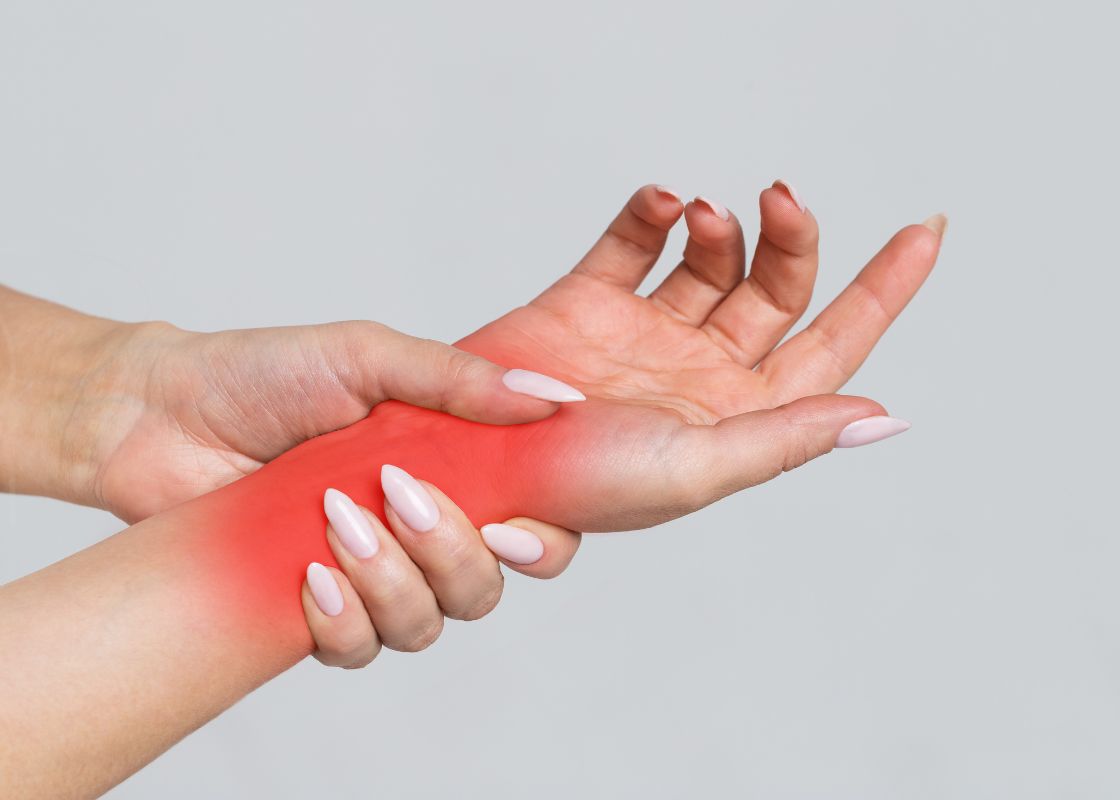
Referred Pain
Muscular knots often contain hyper-irritable nodules known as trigger points, and trigger points are known for causing referred pain. This type of pain, as its name implies, can refer to another part of the body when the trigger point is palpated. Oftentimes, this pain will radiate to the joint associated with the knotted muscle. For example, if a tight trapezius is pressed on, its trigger points may radiate pain to the shoulder joint because the muscle inserts into the spine of the scapula.
Altered Movement Patterns
Knotted muscular tissue can easily restrict movement and/or alter body mechanics, causing overcompensation from surrounding musculoskeletal structures. This natural response can put extra strain on nearby joints, which if left untreated can lead to joint pain.
Joint Instability or Misalignment
Muscular imbalances can arise from persistent untreated knots, and the asymmetry can lead to uneven tension around the associated joints. This can then contribute to the joints becoming misaligned and unstable, which increases wear and tear on the joint itself as well as the surrounding tissues.
Inflammatory Response
Inflammation is your body’s natural response to injury, and while its intent is to protect the body from harmful stimuli, it is most often accompanied by pain. Chronic knots stimulate the inflammatory response, which in turn causes pain in the muscle and the joints associated with it.
Muscle Guarding
When a joint is injured, surrounding muscular tissue may tighten in an attempt to protect it from further damage. Contrarily, muscle knots can agitate a joint and trigger protective responses that cause more joint pain.
How Massage Therapy Can Help
At Moyer Total Wellness, we implement an evidence-based approach to pain management which is comprised of four steps:
- Remove knots from tight muscular tissue
- Lengthen shortened muscular tissue
- Mobilize affected joints
- Strengthen weak muscles
Knots cause muscular tissue to lock-short, which then leads to the surrounding muscles to weaken and the associated joints to restrict. When the application of therapeutic massage removes these knots, the straightened fibers are then easier to lengthen – essentially, the muscular adhesions are “ironed out” through deep mindful manual glides.
Loosened muscles are more flexible muscles, and flexible muscles allow joints to move more fully and freely. Additionally, flexible muscles are easier to strengthen, and strong muscles absorb more force during movements or in response to direct trauma. This decreases the impact placed on joints as well as the risk of wear and tear.
Lastly, strong mobile muscles contribute to better posture, which is key to preventing the joint misalignment leading to pain and dysfunction.
Now You Know!
Treat the whole musculoskeletal system with massage therapy at Moyer Total Wellness!


Katrina Jenkins
Author, Licensed Massage Therapist
Katrina Jenkins graduated from Towson University in 2013 with a Bachelor’s Degree in Health Science and worked as a nurse’s aide briefly before pursuing her true passion. She graduated from the Massage Therapy Institute of Colorado in April 2016 with honors and completed the Touch of Healers Scholarship Program the following summer. She has been a part of the Moyer Total Wellness Team since the summer of 2017.
Resources
Arthritis Foundation (n.d.). Musculoskeletal Pain and Arthritis | Arthritis Foundation. [online] www.arthritis.org. Available at: https://www.arthritis.org/health-wellness/healthy-living/managing-pain/understanding-pain/musculoskeletal-pain-and-arthritis.
Cirino, E. (2019). What Causes Muscle Rigidity? [online] Healthline. Available at: https://www.healthline.com/health/muscle-rigidity.
Cronkleton, E. (2017). How to Treat and Prevent Muscle Knots. [online] Healthline. Available at: https://www.healthline.com/health/muscle-knots.
John Hopkins Medicine (n.d.). Muscle Pain: It May Actually Be Your Fascia. [online] www.hopkinsmedicine.org. Available at: https://www.hopkinsmedicine.org/health/wellness-and-prevention/muscle-pain-it-may-actually-be-your-fascia.
Nall, R. (2020). Muscle knots: Symptoms, causes, and treatments. [online] www.medicalnewstoday.com. Available at: https://www.medicalnewstoday.com/articles/321224.
Photo Credit
Canva by Filip_Krstic
Canva by dimaberlinephotos