


How Often Should You Get a Massage for Chronic Pain?
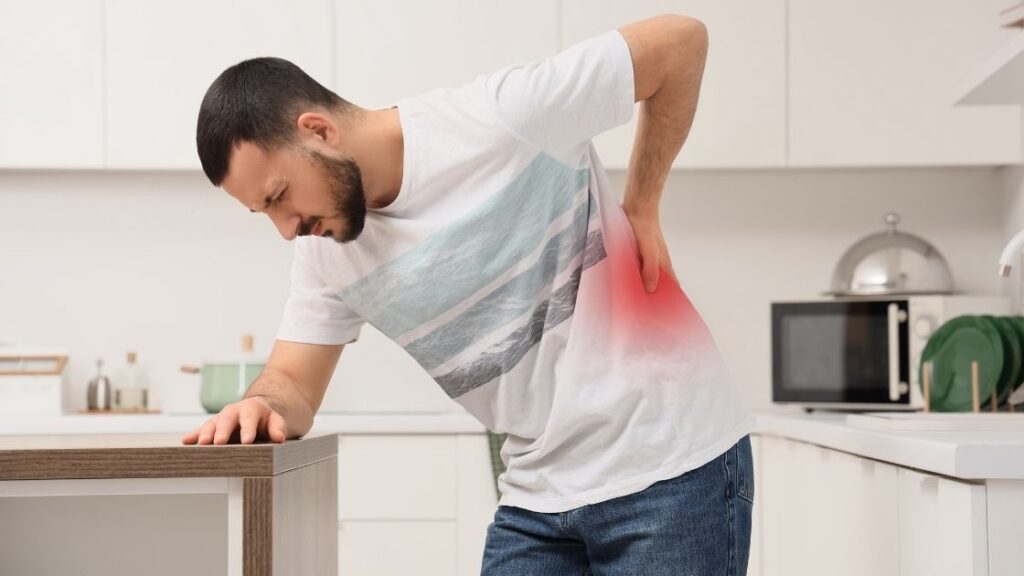
If you’ve been living with chronic pain, it’s likely you’ve considered massage therapy. And if you’re ready to start your healing journey with bodywork, you may also ask yourself how often you should receive it.
The truth is that there’s no one-size-fits-all answer to this question. With that said, one thing is certainly clear – and that’s that consistent care is more effective than waiting it out until the pain becomes intolerable.
Repetitive body movements, poor posture, emotional stress, injuries, pain conditions such as arthritis, and the physical demands of daily living all contribute to chronic pain — it doesn’t develop overnight. As time passes, muscles tense up, range of motion becomes limited, and the body adapts to this by recruiting other muscles to compensate. This response creates pain in areas that weren’t the initial problem.
Regular therapeutic massage can intervene by reducing the tension, reviving mobility, and aiding the body’s natural healing process. A single massage offers temporary pain relief, but chronic discomfort tends to respond best to a treatment plan involving regular bodywork.
How Often Should You Schedule a Massage?
Your needs won’t be the same as everybody else’s, but these are some general guidelines:
- Severe and/or persistent chronic pain: Every 1–2 weeks at the start of treatment plan implementation.
- Moderate and/or recurring pain: Every 2–4 weeks.
- Maintenance and pain prevention: Every 4–6 weeks, or as recommended by a bodywork practitioner.
You can space appointments farther apart as your body heals and starts to move with more efficiency.
Consistency Matters
Sometimes it’s hard to motivate yourself to get help. Many of us wait until the pain becomes significantly worse before scheduling a massage. By that point, the muscles have overcompensated for weeks or even months, making treatment take longer than it initially would have.
Adding therapeutic massage to your health plan can help:
- Relieve tight muscular tissue before the tension becomes severe.
- Enhance flexibility and joint range of motion.
- Lessen the frequency and/or intensity of flare-ups.
- Support muscle and joint recovery from work habits, exercise, or repetitive movements.
- Reduce emotional stress and calm an overactive nervous system.
Think of massage therapy as a tool for chronic pain management, not just an occasional treat.
Our 4-Step Massage Protocol
At Moyer Total Wellness, our massage therapists implement a thorough approach to addressing chronic pain. We don’t just focus on the painful spot — we treat the underlying factors contributing to discomfort and the resultant movement limitations through the four-step treatment protocol.
1. Remove Knots
Muscle knots are areas of increased muscular tension. They can restrict motion and, if they contain sensitive nodules called trigger points, radiate pain to other parts of the body. Through knot removal, manual massage therapy reduces pain and restores ideal muscle function.
2. Lengthen Shortened Muscle Fibers
Chronically tense muscle fibers pull their associated joints out of balance, which in turn alters posture and restricts mobility. Through the application of targeted massage techniques as well as assisted stretching, this step restores healthy muscle length. Lengthening a locked-short muscle group will allow the body to move with efficiency and with less discomfort.
3. Strengthen Weak Muscles
Overworked muscles are a result of surrounding tissues not doing their jobs properly. An overworked muscle is a sore muscle. After we release the tightness and lengthen the muscle fibers, we strengthen the weakened antagonist muscle groups. This approach enhances musculoskeletal stability, supports ideal movement patterns, and decreases the chances of pain resurfacing.
4. Mobilize Joints
Tight muscles, short muscles, and weak muscles all contribute to poor joint range of motion. When joints stiffen, neighboring muscles compensate — a recurring theme here. As previously stated, muscles that are forced to overwork will experience pain and dysfunction if they don’t receive proper care. The joint mobilization techniques we apply restore normal movement and promote healthy functioning.
A Team Approach to Pain Management
Each person living with chronic pain experiences it differently, and that’s why there isn’t a universal treatment schedule suitable for everyone. With your own symptoms and goals in mind, our therapists tailor each session to fit your individual needs by creating a personalized plan.
If chronic pain sets limitations on your everyday life, regular massage therapy treatments can be a crucial step toward long-term relief. At Moyer Total Wellness, our goal is to help you move and function with ease, encouraging your body to be free of chronic pain and decreasing the chances of recurrence.


Katrina Jenkins
Author, Licensed Massage Therapist
Katrina Jenkins graduated from Towson University in 2013 with a Bachelor’s Degree in Health Science and worked as a nurse’s aide briefly before pursuing her true passion. She graduated from the Massage Therapy Institute of Colorado in April 2016 with honors and completed the Touch of Healers Scholarship Program the following summer. She has been a part of the Moyer Total Wellness Team since the summer of 2017.
Resources
Mak, S., Allen, J., Meron Begashaw, Isomi Miake-Lye, Beroes-Severin, J., Gerardo De Vries, Lawson, E., & Shekelle, P. G. (2024). Use of Massage Therapy for Pain, 2018-2023. JAMA Network Open, 7(7), e2422259–e2422259. https://doi.org/10.1001/jamanetworkopen.2024.22259
Miake-Lye, I. M., Mak, S., Lee, J., Luger, T., Taylor, S. L., Shanman, R., Beroes-Severin, J. M., & Shekelle, P. G. (2019). Massage for pain: An evidence map. The Journal of Alternative and Complementary Medicine, 25(5), 475–502. https://doi.org/10.1089/acm.2018.0282
Nemati, D., Hinrichs, R., Johnson, A., Romy Lauche, & Munk, N. (2023). Massage therapy as a self-management strategy for musculoskeletal pain and chronic conditions: A systematic review of feasibility and scope. Journal of Integrative and Complementary Medicine, 30(4). https://doi.org/10.1089/jicm.2023.0271
Skelly, A. C., Chou, R., Dettori, J. R., Turner, J. A., Friedly, J. L., Rundell, S. D., Fu, R., Brodt, E. D., Wasson, N., Kantner, S., & Ferguson, A. J. R. (2020). Noninvasive nonpharmacological treatment for chronic pain: A systematic review update. Agency for Healthcare Research and Quality (US). https://www.ncbi.nlm.nih.gov/books/NBK556229/
Photo Credit
Canva by pixelshot