


Can Massage Therapy Prevent Future Injuries? Here’s What You Need to Know
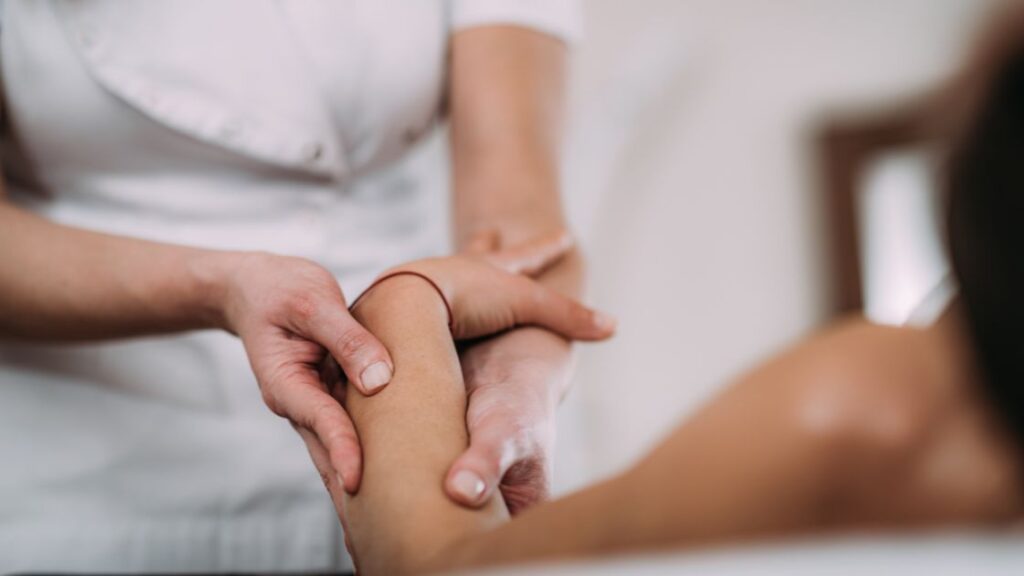
We know massage therapy is most commonly requested to remedy injuries, but can it also help to prevent them from happening in the first place?
The answer is yes! Whether you’re a desk worker who wants to prevent a stiff neck; a weightlifter looking to not get tendonitis; a soccer player trying to avoid an ACL tear; or someone who just wants a body better-prepared face anything that can cause physical injury – massage therapy can help to prevent you from bodily damage.
How Massage Therapy Can Help Prevent Future Injuries

Released Muscular Knots
With almost all types of massage therapy – be it deep tissue, sports massage, or trigger point therapy – the very first step is to remove these muscular adhesions (more commonly known as “knots”) through mindful therapeutic touch.
Knotted muscles pull on joints, which in turn cause structural imbalance and impaired body mechanics, leading to increased likelihood for the onset of new injuries when performing basic tasks.

Increased Blood Flow
Another well-known benefit of massage therapy is increased circulation.
Adequate blood flow promotes the healing process and reduces stiff muscles, making them more resilient in response to direct trauma. This is due to the fact that blood is responsible for feeding the muscles the oxygen and nutrients necessary to function optimally and recover quickly. Also, healthy circulation keeps muscles warm, and warm muscles are more flexible muscles. The more pliable the muscle, the lower the risk of tearing when in action.
Improved Flexibility and Mobility
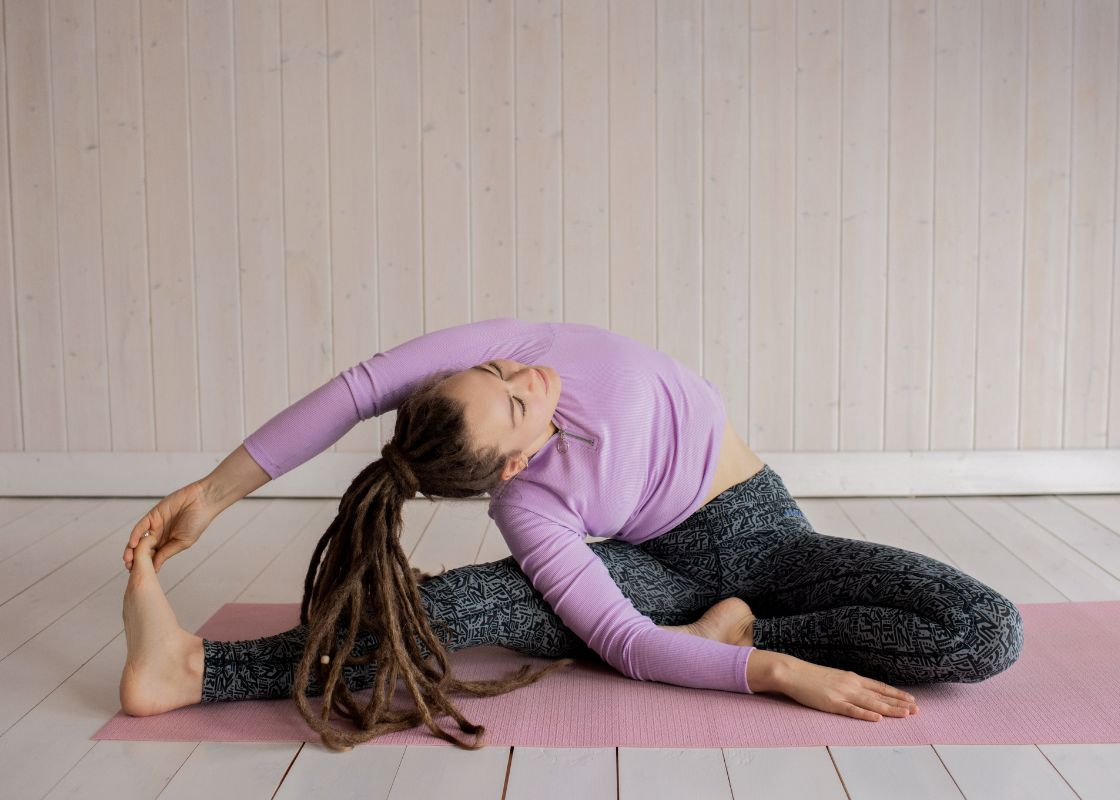
Fuller range of motion can help to prevent overuse injuries as well as joint and muscle strains. As stated in the circulation section – a flexible muscle is at lower risk for tears than a stiff muscle. Likewise, a more moveable joint is marked by better coordination and balance, putting one at decreased risk for missteps that can cause injury. Furthermore, mobile muscles and joints are better at absorbing shock than restricted ones.

Enhanced Sleep Quality
Stress really is the silent killer. It stimulates the release of the hormone cortisol, which in addition to constricting blood vessels and increasing inflammation also disrupts sleep patterns.
Poor sleep quality increases the risk of injury in many ways, but the resulting fatigue is at the top of the list. A lack of restful sleep contributes to decreased concentration, slower reflexes, and impaired coordination – all of which make it difficult to react properly to sudden hazardous changes in one’s environment.
Better Posture
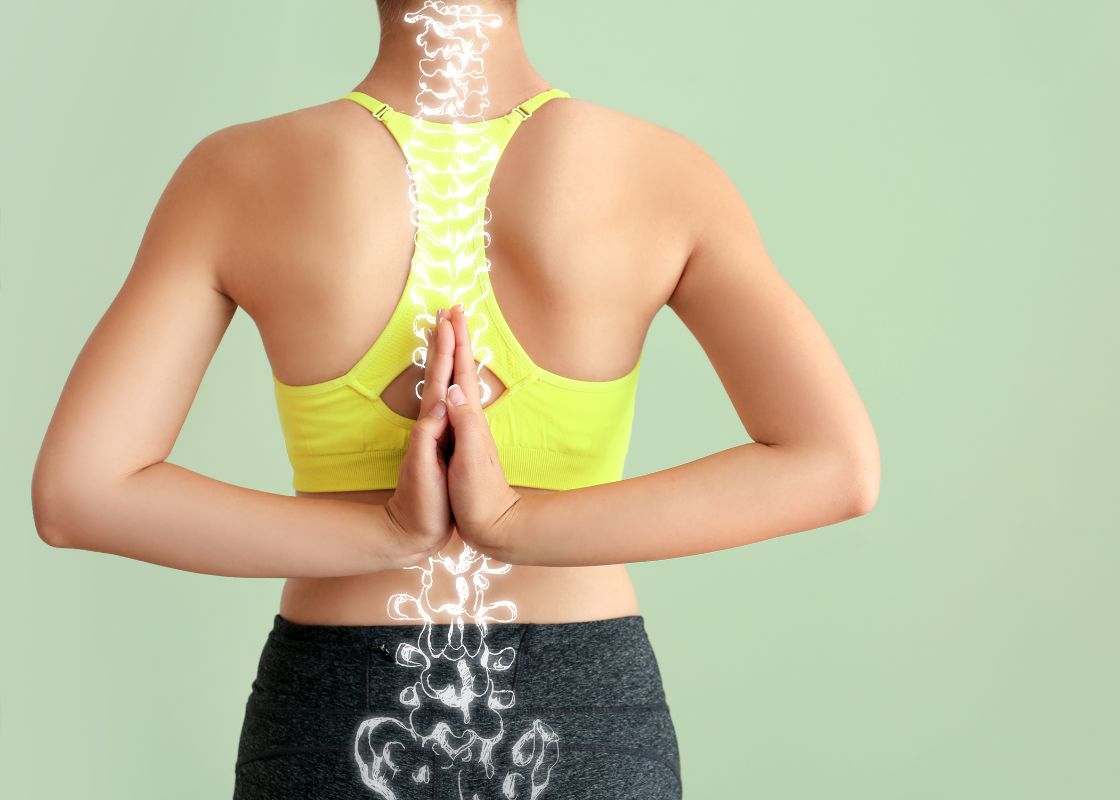
Regular massage, especially when complemented with at-home self-care such as stretching or yoga, can improve posture. This was briefly mentioned in the first section regarding muscle knots.
When the spine is in alignment, the entire body has a more even distribution of force, which ensures that everything is equally distributed across the musculoskeletal system. Balance helps to reduce strain on any one area of the body that would otherwise be under unnecessary pressure.
Things to Consider
During your pre-consultation with your massage therapist, be sure to disclose the type of occupation you hold as well as the physical activities you like to engage in. This will help your therapist determine what types of injuries you are most at risk for, and which massage modality will be most appropriate for your needs.
If an injury is already present, make sure your massage therapist is aware of this so the techniques administered are suitable for the injury at hand. For example, deep tissue massage is helpful for both treating and preventing muscle tears, but it shouldn’t be applied to acute injuries such as fresh sprains and fractures.
Now You Know!
Do more for your body than just treat the pain – prevent it too! Release the knots, let the circulation flow, mobilize the joints, get some sleep, and sit up straight!


Katrina Jenkins
Author, Licensed Massage Therapist
Katrina Jenkins graduated from Towson University in 2013 with a Bachelor’s Degree in Health Science and worked as a nurse’s aide briefly before pursuing her true passion. She graduated from the Massage Therapy Institute of Colorado in April 2016 with honors and completed the Touch of Healers Scholarship Program the following summer. She has been a part of the Moyer Total Wellness Team since the summer of 2017.
Resources
Brown Menard, M. (2021). Research on Injury Prevention | Massage Therapy Journal. [online] American Massage Therapy Association. Available at: https://www.amtamassage.org/publications/massage-therapy-journal/research-injury-prevention/.
Guo, G., Xie, S., Cai, F., Zhou, X., Xu, J., Wu, B., Wu, G., Xiao, R., Xu, X., Lu, P. and Fang, M. (2021). Effectiveness and safety of massage for athletic injuries. Medicine, [online] 100(32), p.e26925. doi:https://doi.org/10.1097/MD.0000000000026925.
sportsmedicineweekly (2024). Can Massage Prevent Sports Injuries? Here’s What To Know. [online] Sports Medicine Weekly By Dr. Brian Cole. Available at: https://sportsmedicineweekly.com/blog/featured/can-massage-prevent-sports-injuries-heres-what-to-know/.
www.physio.co.uk. (n.d.). Prevents Injury – Benefits Of Massage – Massage – Treatments – Physio.co.uk. [online] Available at: https://www.physio.co.uk/treatments/massage/benefits-of-massage/prevents-injury.php.
Photo Credit
Canva by microgen
Canva by PeopleImages
Canva by naratrip boonroung
Canva by Alexy Almond from Pexels
Canva by Maridav
Canva by pixelshot