


Massage Therapy for Pain Relief: How It Works and What to Expect
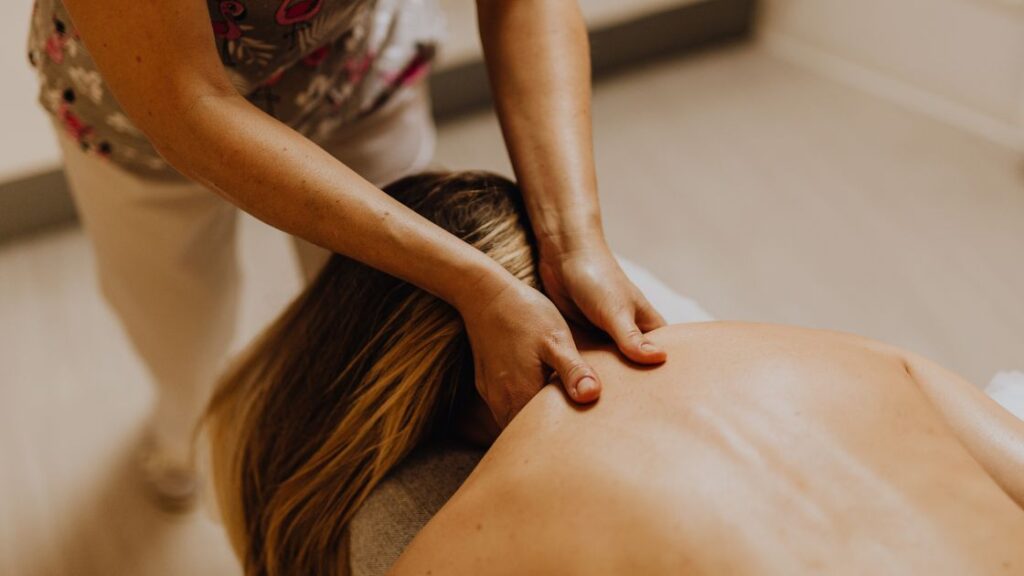
Muscular overuse, emotional stress, minor injuries, imperfect posture… These are some of the most common and well-known causes of musculoskeletal pain.
There are things we can do to mask the pain, such as taking over-the-counter medications, but that won’t address the root of the issue, nor will it prevent the pain from causing further dysfunction. Untreated muscular adhesions (which may be due to any of the causes listed above) can lead to poor body mechanics and limited range of motion, which can from there cause surrounding muscle groups to overcompensate for the muscle that isn’t adequately doing its job. For example, if tight neck muscles aren’t working properly, the shoulder muscles below will pick up the slack and tighten in response. When the shoulder muscles and associated joints become limited, the back muscles tighten along with them. Before you know it, the whole posterior chain is composed of painful muscular adhesions.
The Moyer Total Wellness Four-Step Pain Management Protocol
Therapeutic massage is one of the most common treatments for relieving muscle pain and addressing the underlying issues contributing to it. At Moyer Total Wellness, we have an evidence based four-step pain management protocol used to accomplish these goals:
- Remove knots
- Lengthen short muscular tissue
- Mobilize affected joints
- Strengthen weak muscles
How Are Each of These Steps Carried Out and What Makes Them So Effective for Pain Relief?
1. Remove Knots
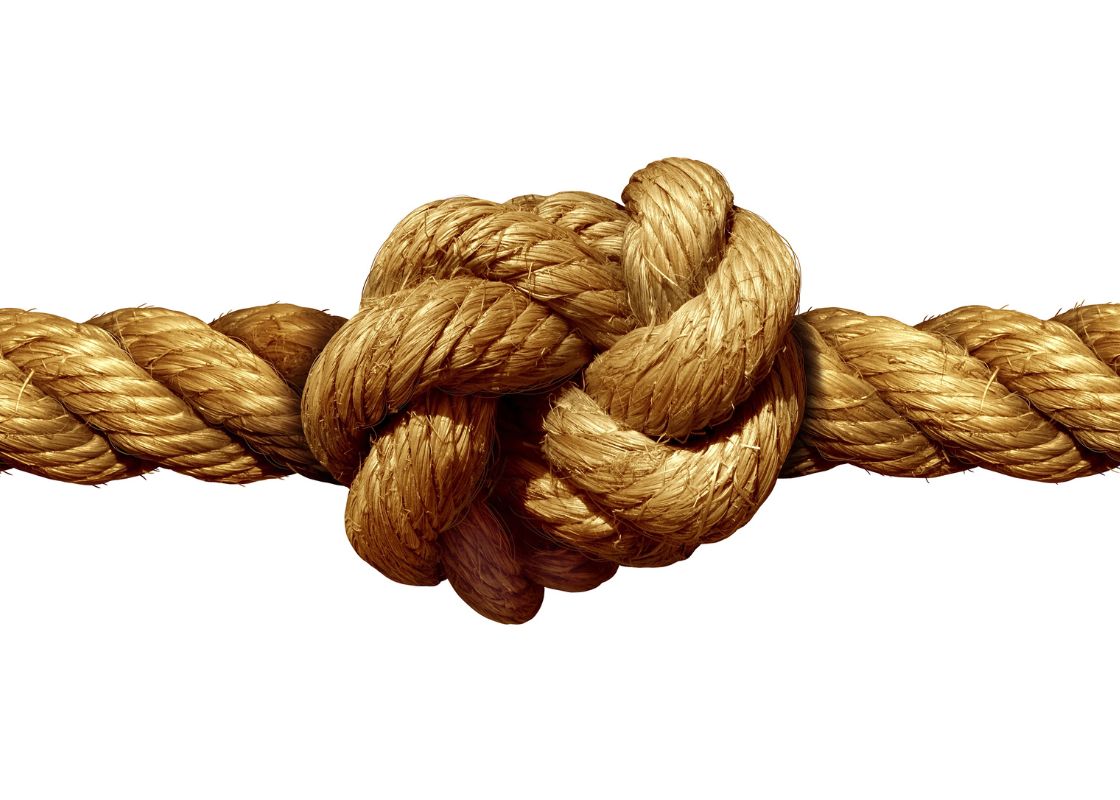
A knot, also known as a muscular adhesion, occurs when the fibers and layers of muscular tissue become stuck together. These hardened areas, which are easy for massage therapists to identify through touch, can cause two types of pain: active pain, which is experienced whether or not the muscle is touched or activated; or latent pain, which is only present when the knotted tissue is touched. The sensation for either type can be described as dull or sharp. If trigger points, or hyper-irritable nodules inside the knots, are present, the pain may radiate to another part of the body.
Applying pressure to the area encourages blood to flow through the restricted area. When muscles become knotted, the protective fascial layer above it becomes “sticky” and compresses into the tissues below it. With the space between the two narrowed, circulation to the area is limited, meaning the muscle isn’t receiving adequate oxygen and nutrient delivery. The dehydration and lack of nourishment reduces muscle functioning, making physical performance and recovery more difficult. Massage therapy, as it pulls the adhesions apart and pushes blood into the congested area, recreates that space between the fascia and muscle and feeds the muscle.
In addition to encouraging circulation, the relaxation aspect of massage also contributes to the removal of knots; which is good news for patients who have trouble tolerating deep pressure. Massage therapy boosts the body’s ability to fight muscle pain by promoting the flow of the “feel good hormone” serotonin and reducing the production of stress hormones such as cortisol.

2. Lengthen Short Muscular Tissue
Hyper-contracted, or locked-short, muscular tissue is a direct result of a knot. When a specific muscle shortens, the mobility of the associated joints have likely been impaired – which is why the massage needs to address the lengthening of muscle fibers before moving onto joint mobilization restoration.
After painful knots are removed from a specific area, your massage therapist may apply an assisted stretch to the targeted muscle. Muscles are most pliable immediately after bodywork, and even more so if heat therapy has been applied during the massage. Additionally, the therapist can send you home with a list of effective stretches to perform at home.
Elongated muscles are more flexible muscles, and flexible muscles complete their actions adequately – reducing risk of pain caused by poor body mechanics.
3. Mobilize Joints
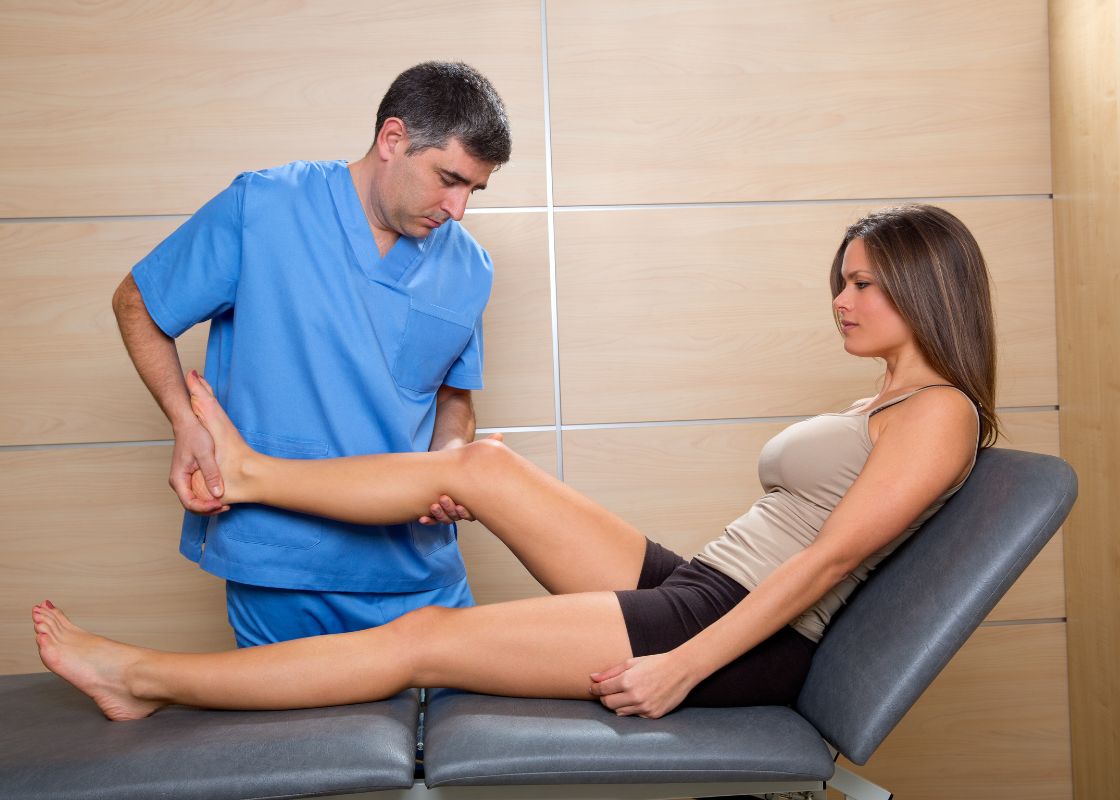
After removing knots and lengthening muscular tissue, the joints associated with the targeted muscles should be easier to manipulate.
As is the case with tight muscles hindering proper function, restricted joints also have difficulty performing their intended tasks. To remedy stiff joints, joint range of motion exercises can be either applied to the massage with assistance from the therapist, or assigned to completed at home.

4. Strengthen Weak Muscles
Each muscle group has what is called an “antagonist muscle group”. Antagonist muscles are responsible for the opposite function of the primary mover; for example, the quadriceps are responsible for thigh flexion, while the hamstrings (the antagonist of the quadriceps) extend the thigh.
When one muscle group tightens, its antagonist muscle group becomes overstretched and weak. Weak muscles, being at higher risk for overexertion and injury, need to be strengthened to decrease the risk of chronic pain. Strong muscles take pressure away from your joints, as they allow them to better absorb impact from executing physical tasks.
Your therapist may provide strengthening techniques, such as proprioceptive neuromuscular facilitation, during your massage to aid with pain related to locked-long muscles. However, it is important to practice strengthening exercises for pain relief on your own time as well. With an extensive anatomy background, your therapist will be able to assign the most effective at-home workouts for the targeted areas.
Now You Know!
Schedule a massage with one of our talented therapists today and experience how the 4-step protocol conquers pain!


Katrina Jenkins
Author, Licensed Massage Therapist
Katrina Jenkins graduated from Towson University in 2013 with a Bachelor’s Degree in Health Science and worked as a nurse’s aide briefly before pursuing her true passion. She graduated from the Massage Therapy Institute of Colorado in April 2016 with honors and completed the Touch of Healers Scholarship Program the following summer. She has been a part of the Moyer Total Wellness Team since the summer of 2017.
Resources
Dr. Sruthi M., MBBS (2021). How Do You Get Rid of Muscle Knots? 8 Ways to Treat. [online] MedicineNet. Available at: https://www.medicinenet.com/how_do_you_get_rid_of_muscle_knots/article.htm [Accessed 10 Jul. 2025].
Field, T. (2014). Massage Therapy Research Review. Complementary therapies in clinical practice, [online] 20(4), pp.224–229. doi:https://doi.org/10.1016/j.ctcp.2014.07.002.
Moyer, Dr.R. (2024). Evidence-Based Pain Management | Moyer Total Wellness. [online] Moyer Total Wellness. Available at: https://moyerwellness.com/our-4-step-evidence-based-approach/ [Accessed 10 Jul. 2025].
Nakamura, K., Kodama, T. and Mukaino, Y. (2014). Effects of Active Individual Muscle Stretching on Muscle Function. Journal of Physical Therapy Science, 26(3), pp.341–344. doi:https://doi.org/10.1589/jpts.26.341.
Wauters, S. (2009). Trigger Points. [online] Physiopedia. Available at: https://www.physio-pedia.com/Trigger_Points.
Photo Credit
Canva by Kaboompics.com from Pexels
Canva by wildpixel
Canva by NanoStockk
Canva by Lunamarina
Canva by Brand X Pixtures