
How Massage Therapy Helps with Neck and Back Pain
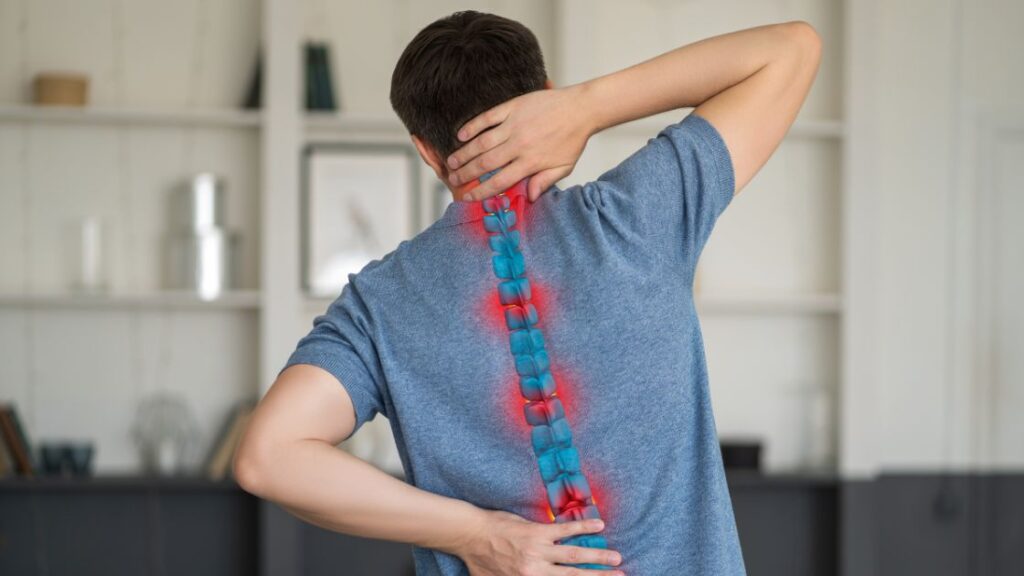
There is a connection between neck and back pain – if you’ve ever had bodywork done before, your practitioner may have informed you of this if you reported experiencing both.
Your spine functions as a singular integrated structure. The neck (encompassing the cervical spine) and the back (the thoracic and lumbar regions of the spine) are all components of the vertebral column. Knowing this, it makes sense that an issue in one part of the spine can impact the functioning and alignment of the others.
Poor body mechanics, slouching, spinal nerve irritation, direct injuries, and musculoskeletal conditions are common causes of neck and back pain. One of the most utilized forms of treatment is massage therapy.
How Does Therapeutic Massage Help With Neck and Back Pain?
Muscle Relaxation
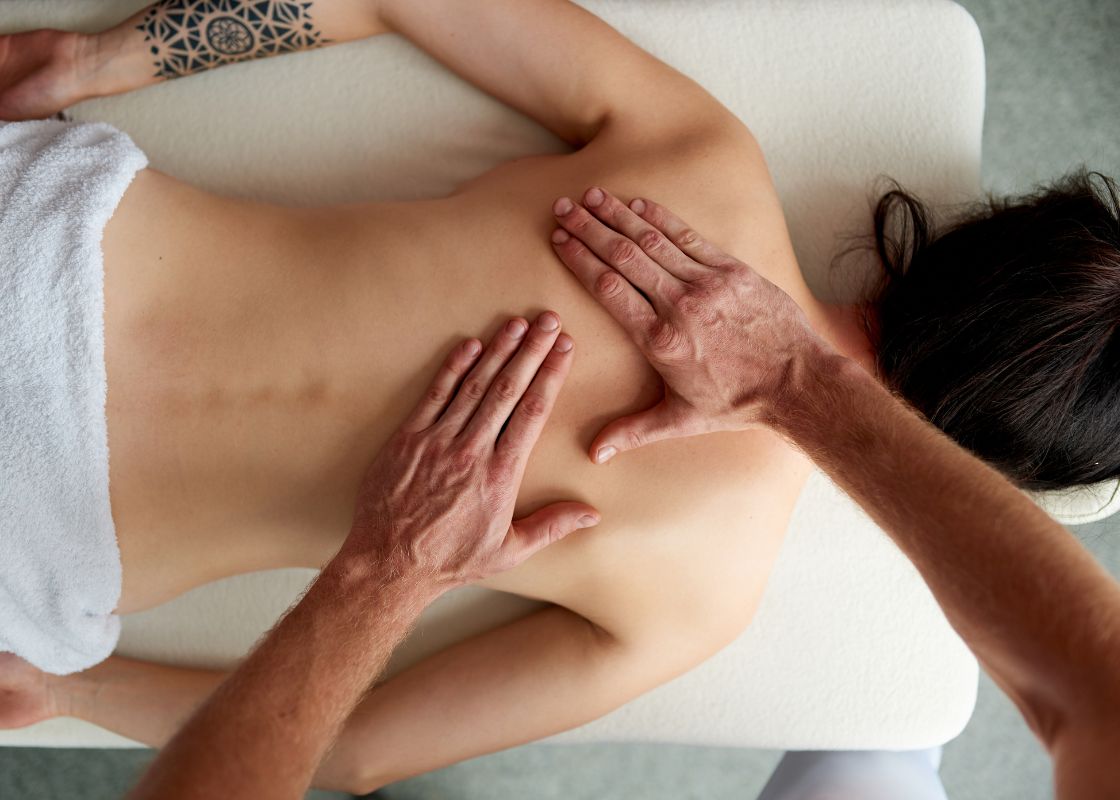
Therapeutic massage loosens knotted muscles and relieves spasms, which are common causes of pain in the neck and back. Loosening muscular tissue improves flexibility and range of motion, putting one at lower risk for further injury to these areas.

Reduced Stress
You may be familiar with the concept that emotional stress can embed itself in muscular tissue. This is why some patients can experience an “emotional release” when a specific muscle group is released during a massage. When it comes to emotions burrowing themselves beneath the skin, the neck and upper back muscles are common hiding spots.
Massage calms the nervous system by reducing stress hormones such as cortisol. Cortisol, the “fight-or-flight” hormone”, contributes to the perception of physical pain in many ways. It does this by increasing muscle tension, irritating nerves, and slowing tissue repair.
In addition to decreasing the flow of cortisol, massage also stimulates the release of a feel-good hormone known as serotonin. When nerve pathways are overactive and ready to transmit pain signals, a surge of serotonin can calm them before the pain signal reaches the brain.

Endorphin Release
Endorphins are “happy hormones” known as the body’s natural painkillers. Massage therapy, through mindful touch, activates the pressure-sensitive nerve endings within your skin and muscular tissues. When these nerve endings communicate with the brain, they trigger the hypothalamus and pituitary gland – the structures responsible for releasing endorphins in times of pain or stress – to get to work.
Trigger Point Relief
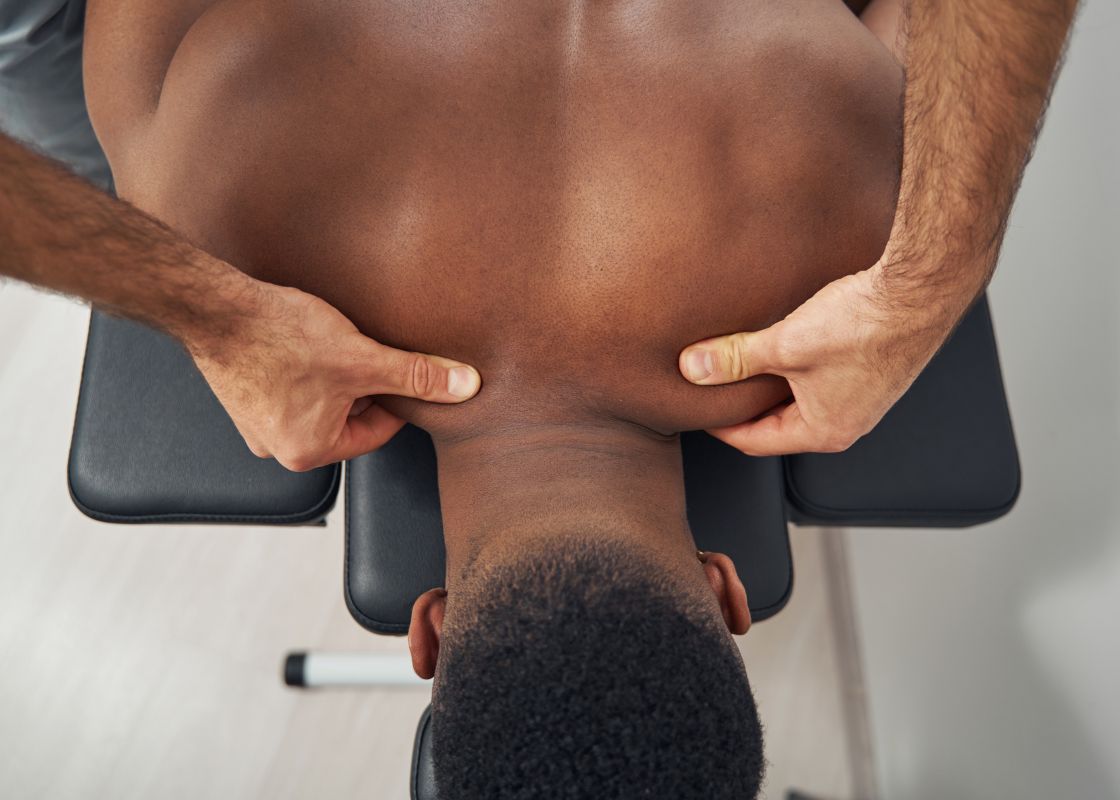
Trigger points, or hyper-irritable nodules inside muscle that refer pain to other parts of the body, are targeted by massage therapists using specialized modalities such as deep tissue, myofascial release, or sports massage.
While they can be located anywhere in the body, muscles in the neck (especially the sternocleidomastoid and scalenes) and upper back (trapezius and rhomboids) are some of the most common areas to hold them.
Trigger points are often a result of continuous muscular contraction, and applying sustained pressure to the area can interrupt the hyper-contracted cycle and allow the muscle fibers to relax. The application also stimulates sensory nerve fibers, which send signals to the brain to lessen the pain.
Enhanced Posture
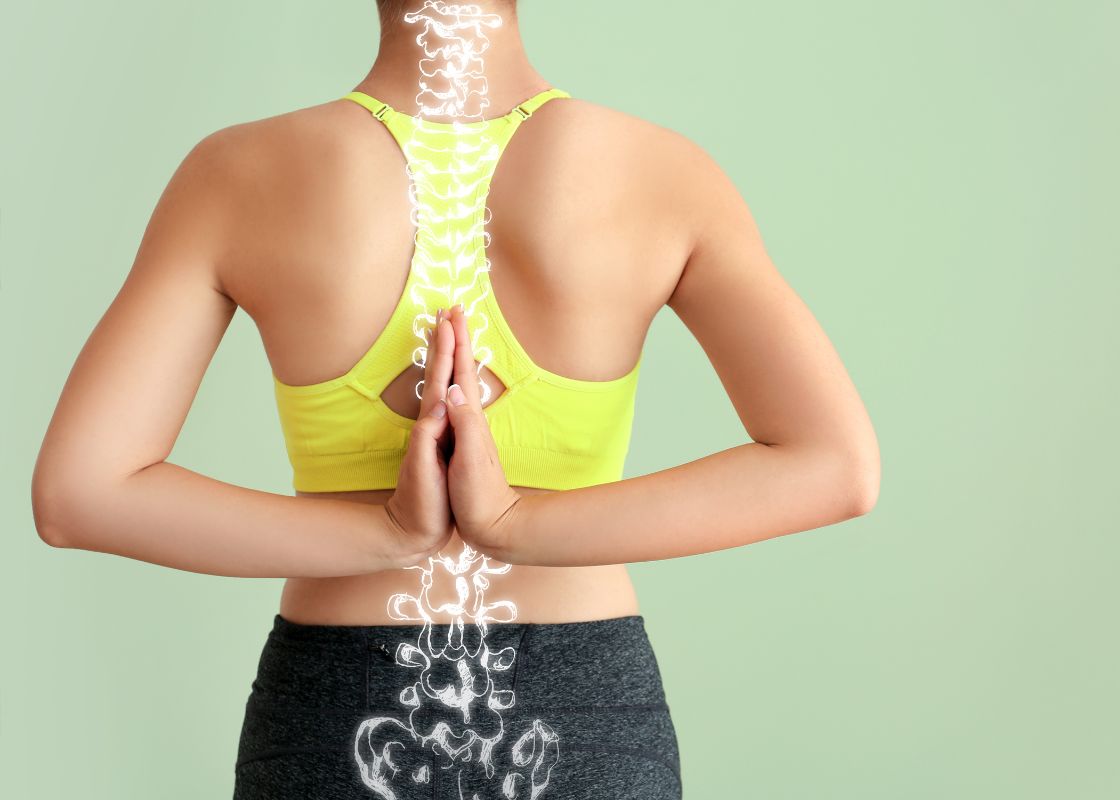
Forward head posture – that slouch most of us are guilty of when on the phone or seated at a desk – strains the neck and back, which leads to tightened muscles. And guess what? Those now knotted and imbalanced muscles often contribute to poor posture. So regardless of which issue took place first, the fact remains that posture is related to neck and back issues.
Massage can help rebalance those muscles and support better alignment. Locked-short muscles can pull on the spine unevenly, and massage releases and lengthens those tissues contributing to the imbalance.
Now You Know!
Pain and pathology of the neck and back are linked by posture, spinal structure, and nervous system connections. Even if you’re only experiencing pain in one area, you should consider the wellbeing of the entire spine and treat the whole muscle chain.

Katrina Jenkins
Author, Licensed Massage Therapist
Katrina Jenkins graduated from Towson University in 2013 with a Bachelor’s Degree in Health Science and worked as a nurse’s aide briefly before pursuing her true passion. She graduated from the Massage Therapy Institute of Colorado in April 2016 with honors and completed the Touch of Healers Scholarship Program the following summer. She has been a part of the Moyer Total Wellness Team since the summer of 2017.
Resources
Asher, A. (2024). An Overview of Back and Neck Pain. [online] Verywell Health. Available at: https://www.verywellhealth.com/back-and-neck-pain-4014758.
Field, T. (2014). Massage Therapy Research Review. Complementary therapies in clinical practice, [online] 20(4), pp.224–229. doi:https://doi.org/10.1016/j.ctcp.2014.07.002.
Funiciello, M. and Meyler, Z. (2018). Massage Therapy for Chronic Stiff Neck. [online] Spine-health. Available at: https://www.spine-health.com/conditions/neck-pain/massage-therapy-chronic-stiff-neck.
Kumagai, G., Wada, K., Kudo, H., Tanaka, S., Asari, T., Chiba, D., Ota, S., Takeda, O., Koyama, K., Oyama, T., Nakaji, S. and Ishibashi, Y. (2021). The effect of low back pain and neck-shoulder stiffness on health-related quality of life: a cross-sectional population-based study. BMC Musculoskeletal Disorders, 22(1). doi:https://doi.org/10.1186/s12891-020-03871-5.
Mueller, B. (2022). Massage Therapy for Lower Back Pain. [online] Spine-health. Available at: https://www.spine-health.com/wellness/massage-therapy/massage-therapy-lower-back-pain.
Photo Credit
Canva by Staras
Canva by Artranq Images
Canva by Moncherie
Canva by kiattisaklamchan
Canva by yacobchuk
Canva by pixelshot