
The Venous Pump That Is Your Soleus
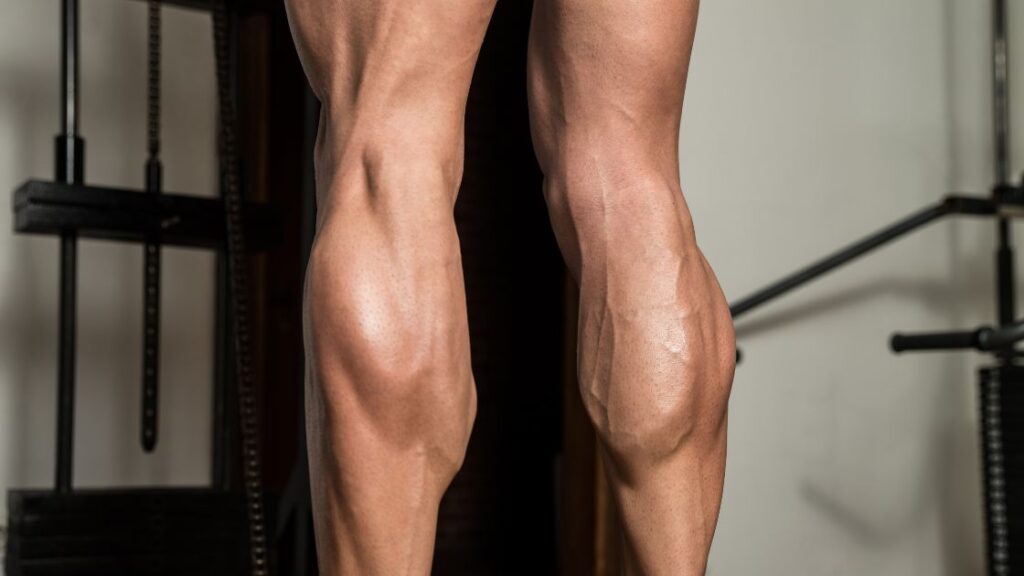
Did you know that the soleus, a powerful muscle closely related to the gastrocnemius, is sometimes referred to as the “second heart”?
This is because it functions as a venous pump in the lower legs. It has rhythmic contractions that push blood flow upward and against gravity, from the feet and calves back into the heart. This process is fundamental for healthy circulation and the support of cardiovascular health.
What Is the Soleus Muscle?
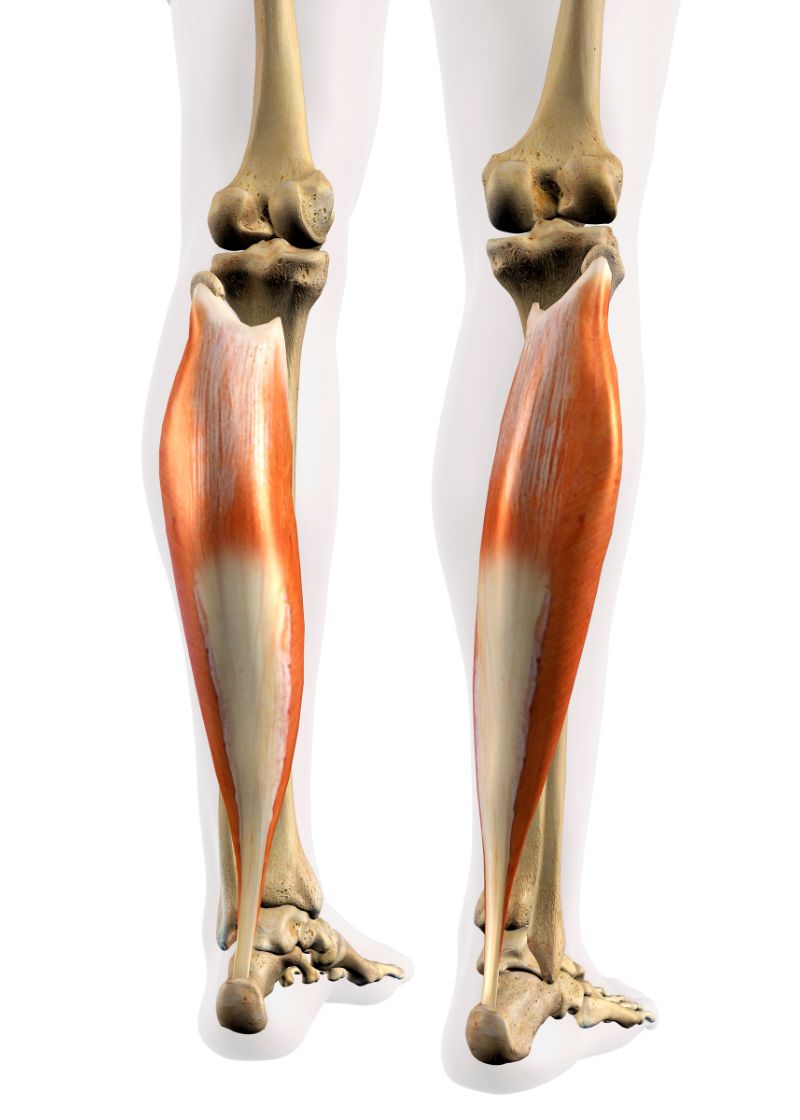
Deep next to the larger calf muscle known as the gastrocnemius, the soleus muscle is composed mainly of slow-twitch muscle fibers and is built for endurance as well as postural support. With plantar flexion being its main function, the soleus is activated during standing, walking, running, or any slight ankle movement.
How the Soleus Acts as a Venous Pump
The deep veins of the lower legs are surrounded by the soleus. During contraction, the soleus muscle places pressure on these veins and moves blood towards the heart. This action is upheld by one-way valves in the veins that prevent backflow. Gravity tends to pool blood in the lower legs. Without active pumping, this can cause poor circulation, swelling, varicose veins, skin sores, or clot formation.
How the Soleus Supports Cardiovascular Health
How does the soleus support heart health?
Improves Venous Return
- By enhancing the rate of circulation back to the heart, the soleus reduces venous pooling – especially during prolonged periods of sitting or standing.
Prevents Blood Clots
- Contracting the soleus muscles helps prevent deep vein thrombosis, which occurs when a blood clot occurs in forms in one or more deep veins in the body – it most often takes place in the legs.
- One is at highest risk for DVT following surgery or after a long flight.
Regulates Blood Pressure
- Through improving venous return, the soleus muscle helps to maintain the amount of blood returning to the heart, which in turn stabilizes blood pressure.
Reduces Heart Strain
- Adequate venous return decreases the workload placed on the heart.
- Especially beneficial to those with heart failure and circulatory disorders
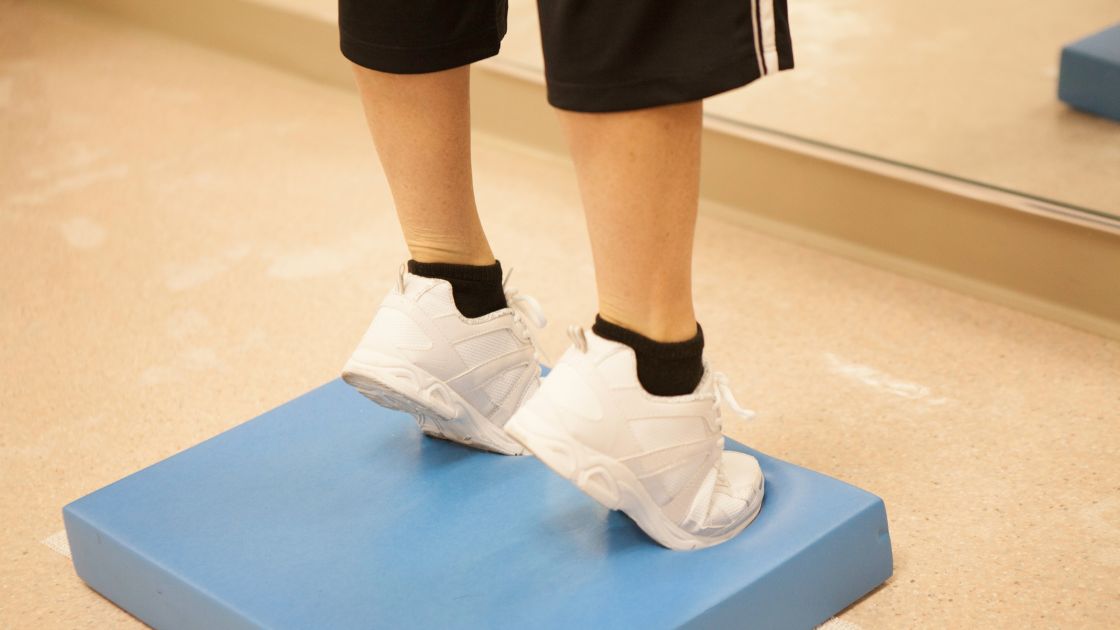
How to Activate the Soleus Pump
Easy ways to activate the soleus pump include:
- Heel raises
- Standing or sitting
- Toe taps while sitting
- Flexing and extending the toes
- Walking or marching in place
- Soleus-focused resistance training
Now You Know!
Your soleus is an essential component of your cardiovascular support system. Functioning as a venous pump, the soleus muscle prevents blood pooling, enhances blood flow, and reduces strain on the heart.
Be sure to keep this muscle activated through regular movement and light exercise. It’s important to everybody, but especially to the following:
- Older adults
- Those with cardiovascular or circulatory conditions
- People who sit or stand for long periods of time
The heart does the pumping, and your soleus is there to help!

Katrina Jenkins
Author, Licensed Massage Therapist
Katrina Jenkins graduated from Towson University in 2013 with a Bachelor’s Degree in Health Science and worked as a nurse’s aide briefly before pursuing her true passion. She graduated from the Massage Therapy Institute of Colorado in April 2016 with honors and completed the Touch of Healers Scholarship Program the following summer. She has been a part of the Moyer Total Wellness Team since the summer of 2017.
Resources
Emma Jurkovicova. “Soleus Muscle.” Kenhub, Kenhub, 19 Sept. 2023, www.kenhub.com/en/library/anatomy/soleus-muscle.
Fickman, Laurie. “Discovery Unlocks Potential of “Special” Muscle.” Stories.uh.edu, stories.uh.edu/2022-soleus-pushup/index.html.
Green, Daniel J, et al. “Soleus Muscle as a Surrogate for Health Status in Human Heart Failure.” Exercise and Sport Sciences Reviews, vol. 44, no. 1, Jan. 2016, pp. 45–50, pubmed.ncbi.nlm.nih.gov/26509482/, https://doi.org/10.1249/JES.0000000000000069.
Mayo Clinic. “Deep Vein Thrombosis – Symptoms and Causes.” Mayo Clinic, 2022, www.mayoclinic.org/diseases-conditions/deep-vein-thrombosis/symptoms-causes/syc-20352557.
Physiopedia. “Soleus.” Physiopedia, www.physio-pedia.com/Soleus.
Tauraginskii, Roman A., et al. “The Human Lower Leg Muscle Pump Functions as a Flow Diverter Pump, Maintaining Low Ambulatory Venous Pressures during Locomotion.” Journal of Vascular Surgery: Venous and Lymphatic Disorders, 22 Oct. 2024, p. 101996, www.sciencedirect.com/science/article/pii/S2213333X24004165, https://doi.org/10.1016/j.jvsv.2024.101996.
Uhl, Jean-François, and Claude Gillot. “Anatomy of the Veno-Muscular Pumps of the Lower Limb.” Phlebology, vol. 30, no. 3, 2015, pp. 180–93, www.ncbi.nlm.nih.gov/pubmed/24415543, https://doi.org/10.1177/0268355513517686.
Photo Credit
Canva by Ibrakovic
Canva by Hank Grebe
Canva by Jodi Jacobson