
Understanding Sarcopenia and How to Manage It
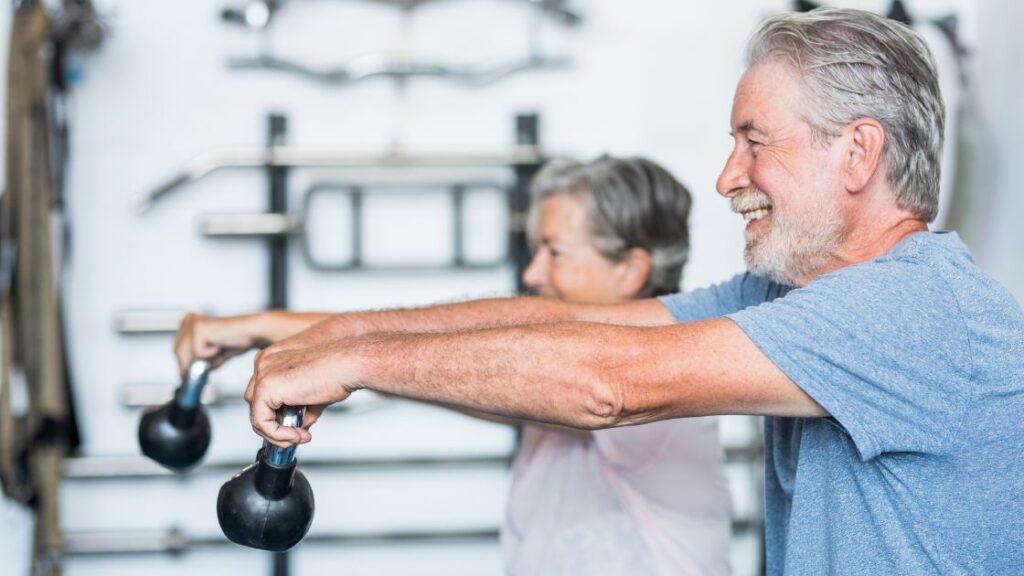
There’s no stopping the aging process, and with it comes noticeable changes in energy, strength, and how our bodies just feel in general. These aspects of aging can be attributed to sarcopenia, which is frailty caused by the gradual loss of muscle mass. While natural, sarcopenia doesn’t have to completely take over one’s quality of life. With better understanding of it, the onset of sarcopenia can be slowed down, stopped, and possibly even reversed.
What Is Sarcopenia?
The word sarcopenia comes from the Greek terms for “flesh” (sarx) and “deficiency” (penia), and it literally translates to “loss of muscle.” The onset usually begins in our 30s or 40s, but then muscle loss accelerates after age 60. If the issue goes unaddressed, older adults may lose as much as 8% of their muscle mass with each decade.
However, sarcopenia has a deeper significance than causing one to look or feel weaker. Age-related frailty is a serious condition that is detrimental to mobility, balance, functional independence, and quality of life. These changes increase one’s risk for falls, fractures, hospitalizations, and chronic illness.
What Causes Sarcopenia?
Age is the main cause of sarcopenia, but there are other factors that can make it manifest earlier or progress faster:
- Sedentary lifestyle – The saying “use it or lose it” is very real in this case. Chronic inactivity causes muscle mass to deteriorate more rapidly.
- Poor diet – Nutrition is key to maintaining one’s strength. Adequate amounts of protein, vitamins, minerals, and calories contribute to the muscle’s ability to rebuild.
- Hormonal changes – The levels of hormones such as estrogen, testosterone, and growth hormone decrease with age – all of which play a role in maintaining muscle mass.
- Chronic health conditions – Long-term health problems lead to low-grade inflammation, which can damage muscular tissue over time.
- Neurological decline – The aging process can hinder the nervous system’s ability to activate muscles in an efficient manner.
Signs You May Have Sarcopenia
Early signs to keep an eye on include:
- Feeling weaker
- Trouble standing – Getting up from a bed or chair
- Difficulty walking – Climbing stairs
- Fatiguing from activities of daily living
- Gaining weight
If you find yourself struggling with any of these, it may be time to visit your doctor for an assessment.
Why Diagnosis and Intervention Matter
Having more muscle mass isn’t just about being stronger. \ – sending messages to other parts of the body to keep them functioning properly.
What are some of those vital functions muscle helps regulate?
- Calorie burning – Higher muscle mass is linked to a higher resting metabolic rate.
- Blood sugar regulation – Muscles are the largest site for glucose uptake.
- Bone health and posture support – Stronger muscles hold the body in better alignment, keeping stress off of bones and joints.
- Fighting inflammation – Muscles release myokines, which stimulate anti-inflammatory pathways in the body
- Reserving protein – The body needs extra protein to counteract muscle loss brought on by illness and injury. Muscle is a protein reserve, so having more of it allows one to withstand the loss.
When muscle mass deteriorates, these benefits fade – a deficit that can speed up aging and increase risk of chronic illness.
How to Prevent or Reverse Sarcopenia
If you recognize signs of sarcopenia in yourself, don’t fret – the condition is treatable. The earlier you address it, the more easily you can reverse it or keep it from worsening. And if you take action before the signs manifest, you might prevent it altogether.
What are some ways you can prevent or treat sarcopenia?
Strength training
- This is the ultimate way to build and maintain muscle mass. Ideal workouts include:
- Lifting weights
- Resistance bands
- Bodyweight exercises
- Push-ups, squats, glute bridges, planks, and lunges are some straightforward options
Adequate protein intake
- Older adults require more protein to preserve muscle mass.
- Try to ingest 0.5–0.7 grams per pound of body weight each day, unless a healthcare professional advises otherwise.
Staying physically active
- Daily movement, even gentle exercise such as a light walk, aids in the preservation of muscle and mobility.
Healthy diet
- Be sure to get enough Vitamin D and omega-3s through food or dietary supplements.
Regular Health Screenings
- As we age, it’s important to get checked for underlying conditions or hormonal imbalances that could be contributing to sarcopenia.
Now You Know!
Frailty brought on by sarcopenia doesn’t have to be the end all be all. Implementing physical movement, nutritious foods, and proactive care into your daily health plan can help you maintain your muscle – keeping you more energized and independent as life goes on.
They do far more than just move your body – strong muscles have a profound impact on your overall health and longevity. Treat your muscles with kindness today and your older self will thank you.

Katrina Jenkins
Author, Licensed Massage Therapist
Katrina Jenkins graduated from Towson University in 2013 with a Bachelor’s Degree in Health Science and worked as a nurse’s aide briefly before pursuing her true passion. She graduated from the Massage Therapy Institute of Colorado in April 2016 with honors and completed the Touch of Healers Scholarship Program the following summer. She has been a part of the Moyer Total Wellness Team since the summer of 2017.
Resources
Avgerinou, C. (2020). Sarcopenia: why it matters in general practice. British Journal of General Practice, 70(693), pp.200–201. doi:https://doi.org/10.3399/bjgp20x709253.
Bischoff-Ferrari, H.A., Gängler, S., Wieczorek, M., Belsky, D.W., Ryan, J., Kressig, R.W., Stähelin, H.B., Theiler, R., Dawson-Hughes, B., René Rizzoli, Vellas, B., Rouch, L., Guyonnet, S., Egli, A., E. John Orav, Willett, W. and Horvath, S. (2025). Individual and additive effects of vitamin D, omega-3 and exercise on DNA methylation clocks of biological aging in older adults from the DO-HEALTH trial. Nature Aging, [online] 5. doi:https://doi.org/10.1038/s43587-024-00793-y.
Cho, M.-R., Lee, S. and Song, S.-K. (2022). A Review of Sarcopenia Pathophysiology, Diagnosis, Treatment and Future Direction. Journal of Korean Medical Science, 37(18). doi:https://doi.org/10.3346/jkms.2022.37.e146.
Cleveland Clinic (2022). Sarcopenia (Muscle Loss): Symptoms & Causes. [online] Cleveland Clinic. Available at: https://my.clevelandclinic.org/health/diseases/23167-sarcopenia.
Mary Anne Dunkin (2022). Sarcopenia With Aging. [online] WebMD. Available at: https://www.webmd.com/healthy-aging/sarcopenia-with-aging.
Sanchez-Tocino, M.L., Secundino Cigarrán, Ureña, P., González-Casaus, M.L., Mas-Fontao, S., Gracia-Iguacel, C., Ortíz, A. and Gonzalez-Parra, E. (2024). Definition and evolution of the concept of sarcopenia. Nefrología (English Edition), 44(3), pp.323–330. doi:https://doi.org/10.1016/j.nefroe.2023.08.007.
StrengthLog. (n.d.). Protein Calculator for Weight Loss and Muscle Gain. [online] Available at: https://www.strengthlog.com/protein-calculator/.
Warner, L. (2024). A guide to combatting sarcopenia and preserving muscle mass as you get older – Harvard Health. [online] Harvard Health. Available at: https://www.health.harvard.edu/staying-healthy/a-guide-to-combatting-sarcopenia-and-preserving-muscle-mass-as-you-get-older.
Photo Credit
Canva by perfectwave