
The Science Behind Massage Therapy for Chronic Pain
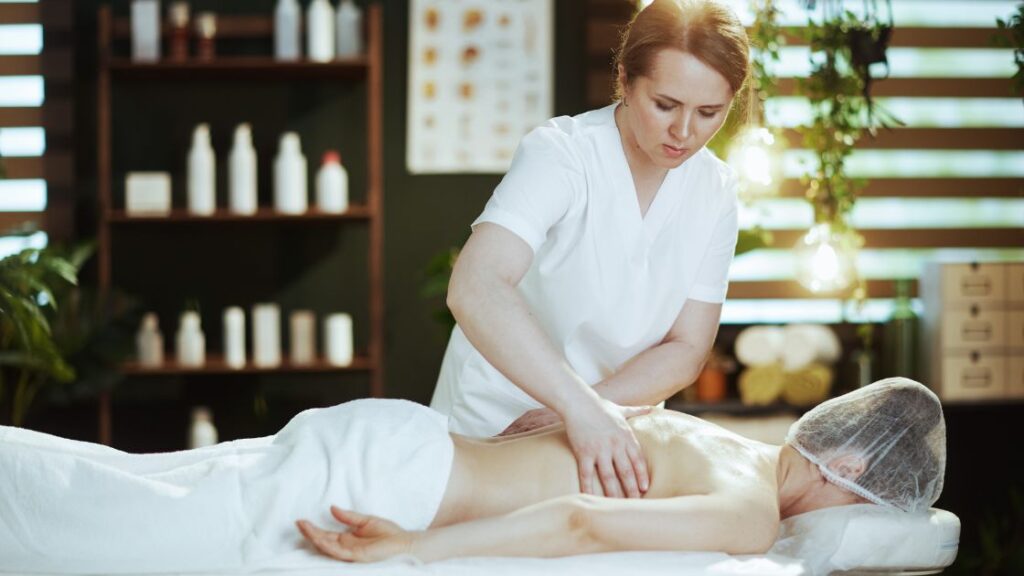
Massage therapy, once viewed as more of a luxury than as a legitimate healing art, is a common treatment for pain management. Ongoing research shows that it’s more than just a means of pain relief for muscular overuse or injury – it’s a useful complementary treatment for the stress and discomfort caused by medical conditions such as arthritis, fibromyalgia, cancer, edema, and gastrointestinal issues among other ailments.
The Science Behind How Massage Therapy Treats Chronic Pain
But what is the science behind how massage therapy treats chronic pain? Here is a breakdown of some of the benefits of therapeutic massage and how each one remedies pain:
Relaxation of Muscular Tissue
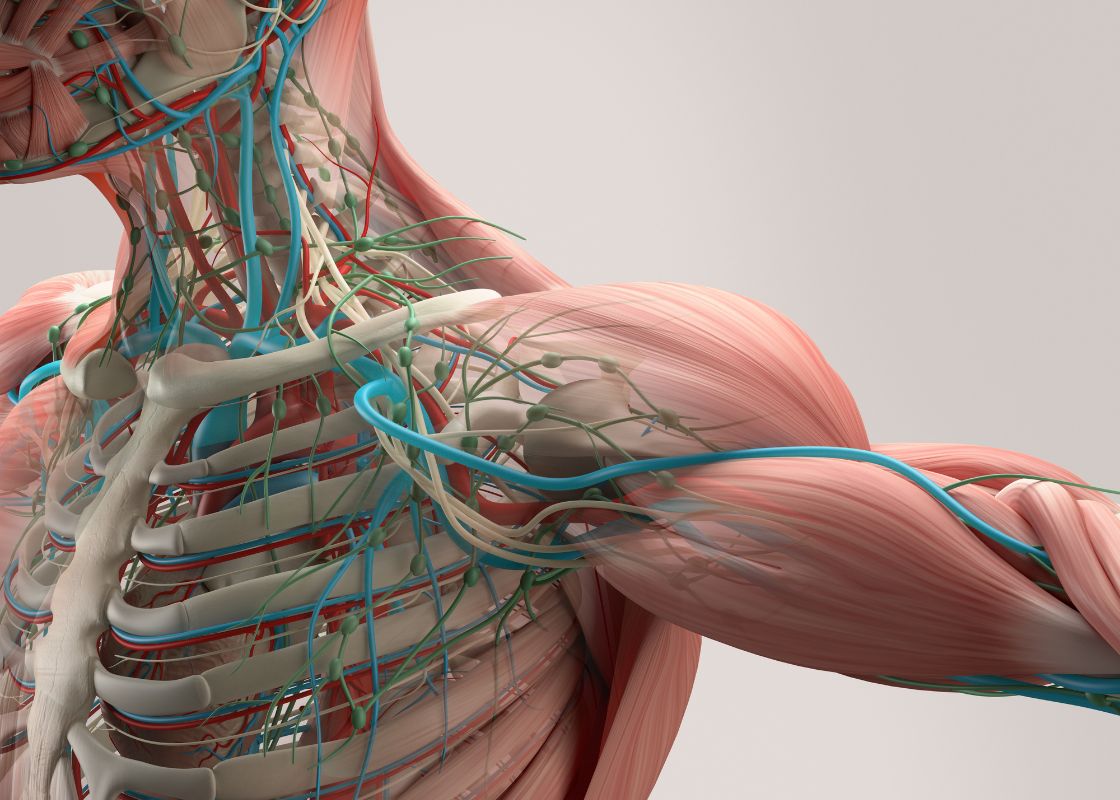
While they all have their own means of doing so, every modality of massage has the ultimate goal of relaxing tight muscles.
One way this can be achieved is through the targeting of trigger points, which are irritable nodules embedded in knotted tissues that cause pain (either localized or referred) and muscular dysfunction. Placing manual pressure directly onto a trigger point for an extended period of time (20 seconds to a minute) deactivates the sensitive area by breaking down buildup of lactic acid, which is a natural byproduct of muscular movement that can lead to muscle tenderness.
Chronic pain can also be addressed by focusing on the sheath of connective tissue surrounding the muscles known as the fascia. Myofascial release, which involves applying sustained pressure to the protective layer atop the muscle, frees the restrictions contributing to pain and improves muscular flexibility. Flexible muscles are at lower risk for tearing, which when left untreated can lead to chronic pain.
Improved Blood Flow
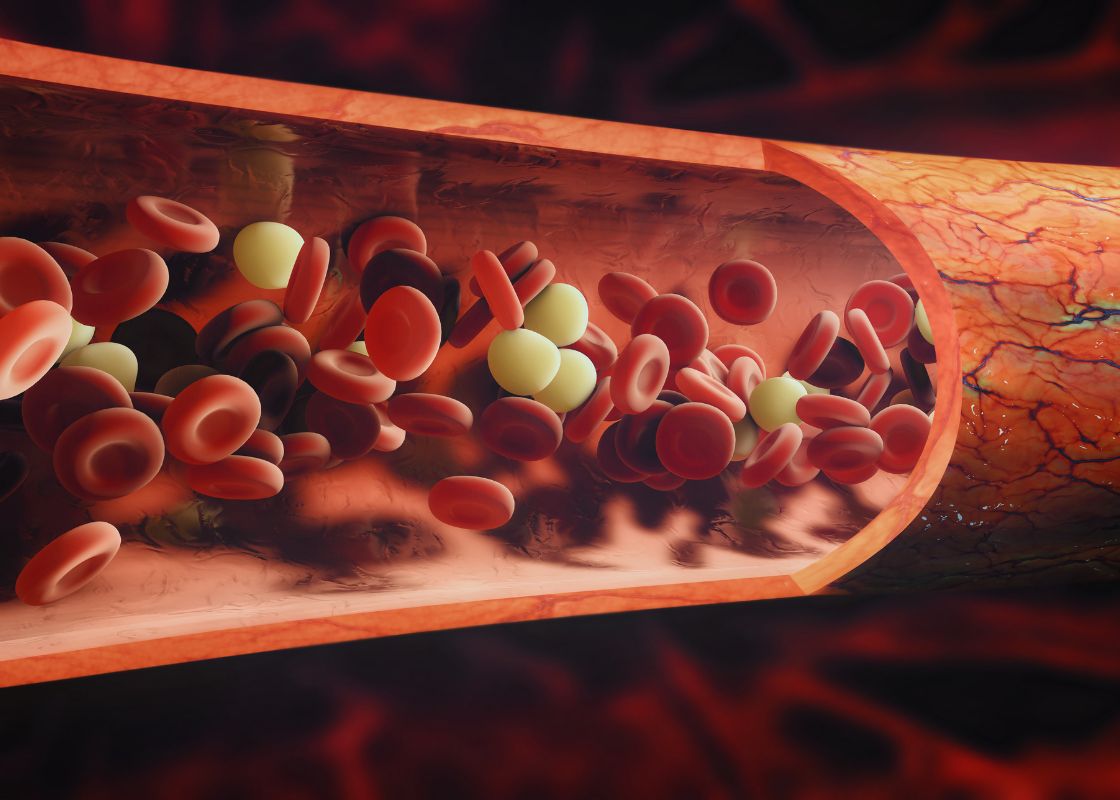
When pressure is applied to muscular tissue, massage strokes physically compress and then release the tight fibers, promoting healthy circulation as the muscle begins to relax. Additionally, massage stimulates the production of nitric oxide, which causes vasodilation (or widening of the blood vessels) and increases blood flow to the area.
But how does increased blood flow affect chronic pain?
For starters, nutrient delivery is a key component of health circulation. Blood delivers oxygen and nutrients to bodily tissues, which in turn speeds up the body’s natural healing and recovery process.
Waste removal is an important aspect as well. The presence of metabolic waste contributes inflammation and chronic pain, and enhanced circulation can help to neutralize those pain-inducing products.
Lymphatic Drainage
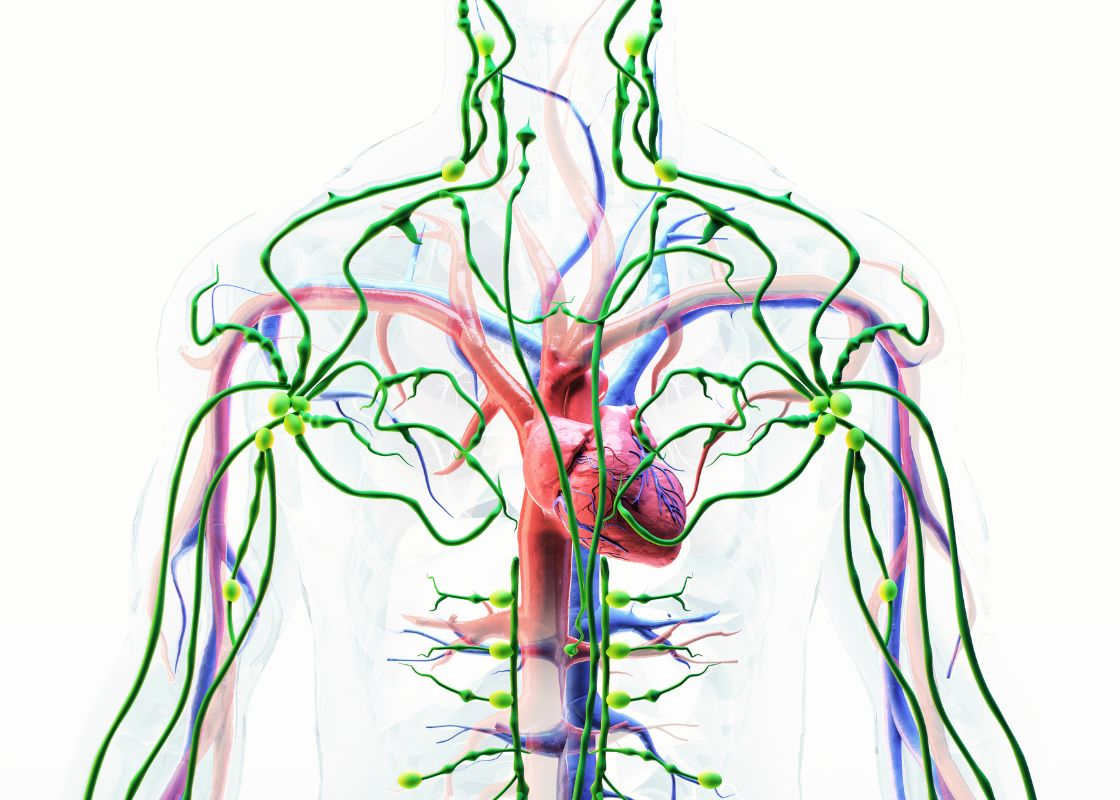
There is a science behind the direction in which massage strokes are taken – which is always in the direction of the most lymph node-rich areas.
Encouraging the flow of lymph towards the nodes allows the clear fluid capture and remove waste products from the body. The neutralization of toxins enhances the body’s immune response, which reduces inflammation and supports the body’s ability to heal itself.
In cases of edema, the rhythmic strokes guiding fluid away from swollen areas and towards the nodes allows for filtration that can eventually remove or reduce the swelling and/or the chronic pain coinciding with it.
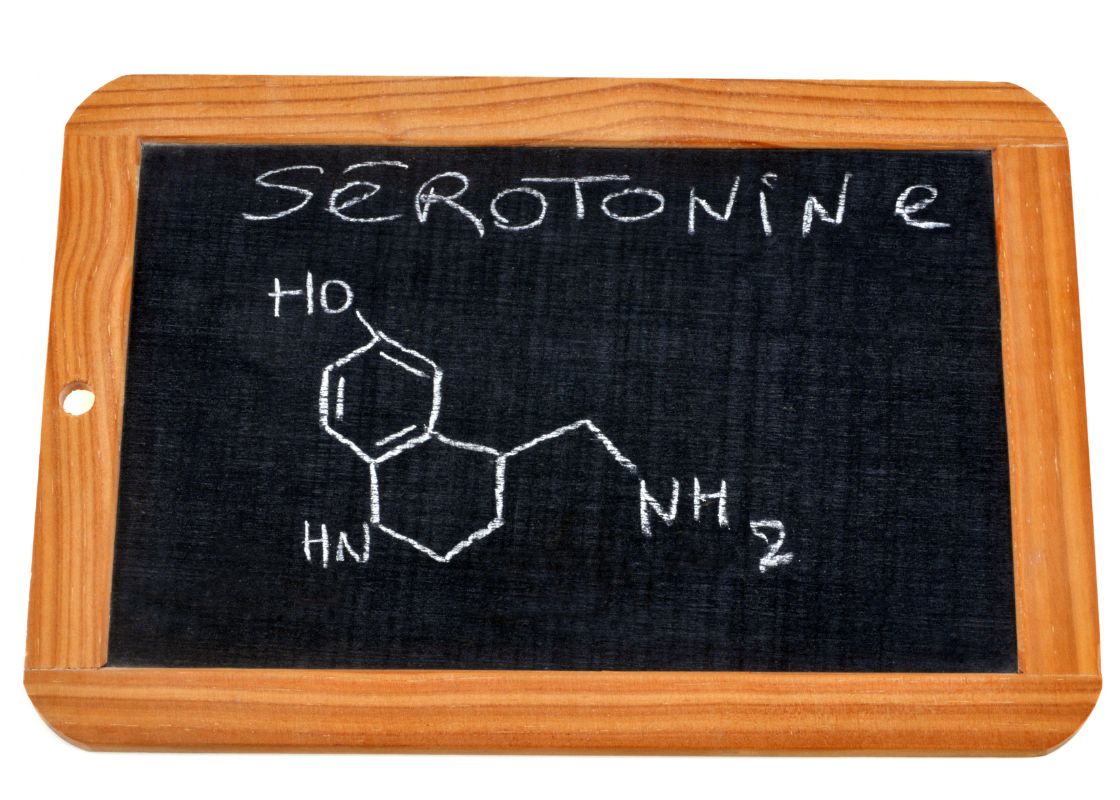
Release of “Feel Good” Chemicals
Stress relief, alongside pain relief, is one of the most common reasons for seeking out massage therapy. Massage reduces the production of stress chemicals, such as cortisol, and stimulates the release of “happy hormones” such as endorphins and serotonin.
Mindful touch alerts mechanoreceptors to send signals to the brain via the nervous system, which then triggers a parasympathetic response. The parasympathetic nervous system, known as the “rest and digest system” has the opposite function of the sympathetic nervous system which is responsible for the “fight-or-flight” response.
Endorphins do more than just improve your mood; they are natural pain killers. They bind to opioid receptors in the brain, which effectively inhibit the transferral of pain signals. Serotonin – a neurotransmitter responsible for mood, sleep, and digestion – interacts with central nervous system receptors to regulate pain signals and block their transmission.

Increased Range of Motion
Another well-known benefit of massage is improved joint range of motion.
Obviously, stiff joints don’t perform tasks to the best of their abilities. This can lead to poor mechanics, which put a joint at risk for further injury, or avoidance of using the joint when possible.
While resting a stiff joint can be beneficial, prolonged underuse can cause further issues. Regular joint movement stimulates the production of synovial fluid, which lubricates the joints and thus reduces friction placed upon them. A joint that can easily take itself through a full range of motion is likely to be properly lubricated – in response, it won’t be at high risk for injury or the resultant chronic pain when executing basic functions.
Now You Know!
Flush out the lactic acid, boost the blood and lymph circulation, activate the parasympathetic nervous system, and mobilize those joints!

Katrina Jenkins
Author, Licensed Massage Therapist
Katrina Jenkins graduated from Towson University in 2013 with a Bachelor’s Degree in Health Science and worked as a nurse’s aide briefly before pursuing her true passion. She graduated from the Massage Therapy Institute of Colorado in April 2016 with honors and completed the Touch of Healers Scholarship Program the following summer. She has been a part of the Moyer Total Wellness Team since the summer of 2017.
Resources
Chen, K., Pittman, R.N. and Popel, A.S. (2008). Nitric Oxide in the Vasculature: Where Does It Come From and Where Does It Go? A Quantitative Perspective. Antioxidants & Redox Signaling, [online] 10(7), pp.1185–1198. doi:https://doi.org/10.1089/ars.2007.1959.
Crawford, C., Boyd, C., Paat, C.F., Price, A., Xenakis, L., Yang, E. and Zhang, W. (2016). The Impact of Massage Therapy on Function in Pain Populations—A Systematic Review and Meta-Analysis of Randomized Controlled Trials: Part I, Patients Experiencing Pain in the General Population. Pain Medicine, 17(7), pp.1353–1375. doi:https://doi.org/10.1093/pm/pnw099.
Lebert, RMT, R., Noy, MSc, RMT, M., Purves, MSc, RMT, E. and Tibbett, PhD, LMT, J. (2022). Massage Therapy: A Person-Centred Approach to Chronic Pain. International Journal of Therapeutic Massage & Bodywork: Research, Education, & Practice, 15(3), pp.27–34. doi:https://doi.org/10.3822/ijtmb.v15i3.713.
National Center for Complementary and Integrative Health (2018). Massage Therapy for Health : What the Science Says. [online] NCCIH. Available at: https://www.nccih.nih.gov/health/providers/digest/massage-therapy-for-health-science.
Wunderlich, S. (2022). Massage and Acute and Chronic Pain | Massage Therapy Journal. [online] American Massage Therapy Association. Available at: https://www.amtamassage.org/publications/massage-therapy-journal/massage-for-acute-and-chronic-pain/.
Photo Credit
Canva by Alliance Images
Canva by ChrisChrisW
Canva by cosmin4000
Canva by nopparit
Canva by Richard Villalonundefined undefined
Canva by Elnur