
The Most Effective Non-Surgical Treatments for Sciatica: A Whole Body Approach
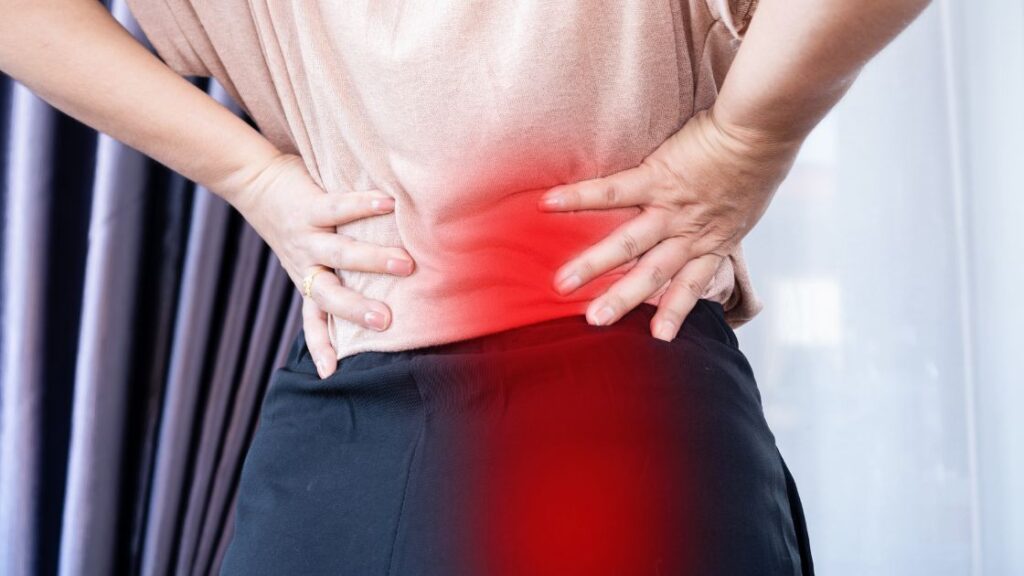
Sciatica, which is nerve pain caused by an injury or irritation to the sciatic nerve, can involve more than just lower back discomfort. For many, this common condition is characterized by sharp, burning, tingling, or aching sensations that radiate from the back and into the hip, glutes, or legs. The pain can interfere with very basic aspects of daily living such as sitting, sleeping, and exercising.
While there will be cases of sciatica requiring medical intervention, many find relief with a non-surgical approach. At Moyer Total Wellness, we believe lasting improvement comes from focusing on releasing muscle tension, improving mobility, and restoring strength.
Our approach utilizes massage therapy, chiropractic care, acupuncture, yoga, and personal training to target various factors contributing to sciatic pain.
Here is our evidence-backed four-step protocol:
- Remove muscle knots
- Lengthen shortened tissues
- Mobilize affected joints
- Strengthen weak muscles
Why Sciatica Keeps Coming Back
Sciatic pain generally isn’t due to just one irritated area. It’s more often related to movement patterns.
Our bodies respond to pain in one area by making other areas compensate. Tense muscles can leave other muscles to pick up the slack and overwork themselves. Stiffened joints negatively impact body mechanics. Weakened muscles force the opposing ones to carry more of the load.
Tension leads to limited movement. Limited movement causes compensation. Compensation weakens the muscles. This is the cycle that brings the pain back.
How do we break the cycle? The most effective approach involves more than just targeting the painful spots. Restoring balance throughout the entire body is the key.
Our 4-Step Approach to Lasting Relief
This method addresses not only the areas where the pain is felt, but also why it might return.
Step 1: Remove Muscle Knots and Reduce Restrictions
When muscles associated with the sciatic nerve — such as the quadratus lumborum, glutes, piriformis, adductors, and hamstrings — become tight and restricted, the resulting altered movement increases discomfort. Massage therapy helps relieve the tension causing muscle guarding. When your muscles are more relaxed, you have increased awareness of how your body moves and are thus better prepared for stretching and strengthening. This means that knot removal is a crucial first step when it comes to restoring healthy movement.
Step 2: Lengthen Short Muscle Fibers
If the muscular tissue remains tight, posture and range of motion can be impacted the longer it goes untreated. Locked-short low back and hip muscles can greatly benefit from yoga and assisted stretching. These modalities will improve flexibility and joint range of motion, which can then bring about more body awareness and control of movement. The slow and intentional movement of yoga helps our clients rebuild a connection between balance and mobility.
Step 3: Mobilize Joints
Flexible muscles allow joints to move with more fluidity. When receiving chiropractic care, the focus is on enhancing joint range of motion and targeting the restrictions that contribute to unideal mobility patterns. Joints with optimal flexibility are less likely to recruit muscles overcompensate, and this will permit the body to function with more efficiency.
Step 4: Strengthen Weak Muscles
Pain and tension reduction alone won’t stop the cycle of returning discomfort. Your body requires increased strength and stability to maintain any progress it makes. Personal training focused on sciatic pain utilizes exercises that correct the affected areas. Enhanced core and glute strength as well as hip stability, postural endurance, and movement patterns set the foundation for a resilient body that can better tackle activities of daily living.
What About Acupuncture?
We’ve discussed how massage therapy, yoga, chiropractic care, and personal training help put a stop to the pain cycle. But what about acupuncture? The reason why many of our clients incorporate it into their wellness plan is because the stimulation of specific points in the body encourages overall relaxation, reduces physical pain, and promotes the body’s natural healing process — all of which ease the symptoms of sciatica.
The Complete Approach to Relieving Sciatica
To recap: it’s rare for sciatica to have a single cause. Your muscles, joints, form, movement, stress levels, activity rate, and strength are all at play here. At our office, we combine massage therapy to open restrictions, chiropractic care to enhance mobility, acupuncture to promote relaxation, yoga to restore movement, and personal training to build strength.
Temporary relief shouldn’t be the ultimate goal. Moving more freely will lessen the chances of sciatic pain taking over again. If you want a non-surgical approach to managing sciatica, our team at Moyer Total Wellness can help you create your personalized care plan.

Katrina Jenkins
Author, Licensed Massage Therapist
Katrina Jenkins graduated from Towson University in 2013 with a Bachelor’s Degree in Health Science and worked as a nurse’s aide briefly before pursuing her true passion. She graduated from the Massage Therapy Institute of Colorado in April 2016 with honors and completed the Touch of Healers Scholarship Program the following summer. She has been a part of the Moyer Total Wellness Team since the summer of 2017.
Resources
Cpg | Interventions for the Management of Acute and Chronic Low Back Pain: Revision 2021. (2021). In APTA. https://www.apta.org/patient-care/evidence-based-practice-resources/cpgs/acute-chronic-lbp
Low back pain and sciatica in over 16s: Assessment and Management. (2020). In PubMed. National Institute for Health and Care Excellence (NICE). https://www.ncbi.nlm.nih.gov/books/NBK562933/
Practice Guidelines — ACA Rehab Council. (2017). ACA Rehab Council. ACA Rehab Council. https://www.acarehabcouncil.org/practice-guidelines
VA.gov | Veterans Affairs. (2022). In www.healthquality.va.gov. https://www.healthquality.va.gov/guidelines/Pain/lbp/index.asp
Photo Credit
Photo Credit: Canva by Doucefleur