
How Massage Therapy and Personal Training Work Hand-in-Hand
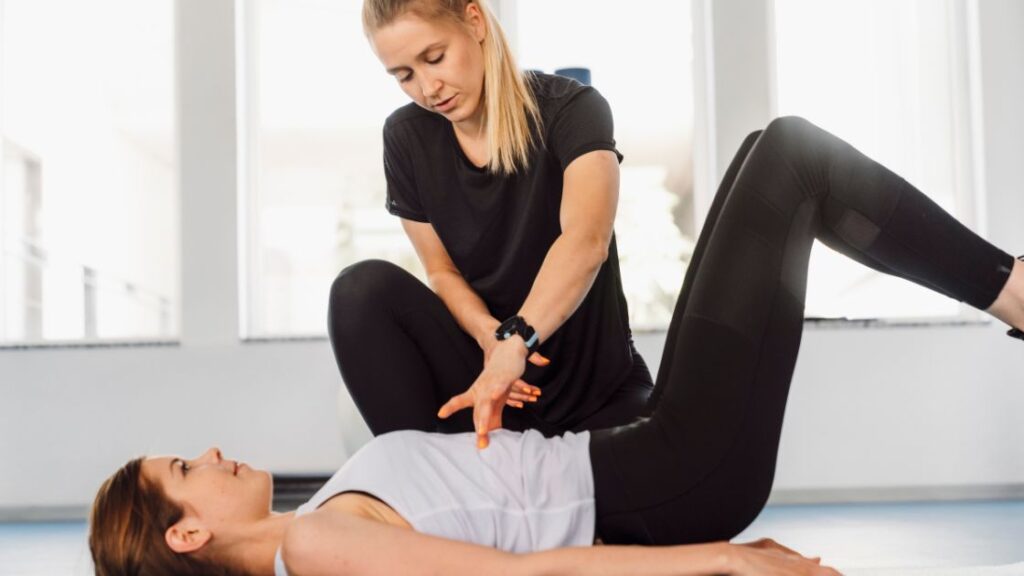
It’s common knowledge that regular exercise helps you build strength, improve endurance, and support long-term health goals. But something that many of us overlook is how our bodies need to stay balanced and free of pain if we want to get the most out of training.
This is where massage therapy comes in. When paired alongside personal training, a therapeutic massage sets the body up for strengthening, mobilizing, and reducing its risk of injury.
At Moyer Total Wellness, we implement a specialized four-step treatment protocol designed to keep your body working at its best:
- Remove Knots from Tight Muscles
- Lengthen Shortened Muscle Fibers
- Strengthen Weak Muscles
- Mobilize Restricted Joints
So, how can these four steps work hand-in-hand with personal training?

Removing Knots from Tight Muscles
Muscular adhesions, or knots, restrict oxygenated blood flow to the muscle and limit joint range of motion. These hindrances make working out harder than it needs to be. Through knot removal and tension release, massage therapy helps your body to move more freely during strength training. A rep with poor mechanics doesn’t address the area you’re trying to target – make each rep count!
Lengthening Shortened Muscle Fibers
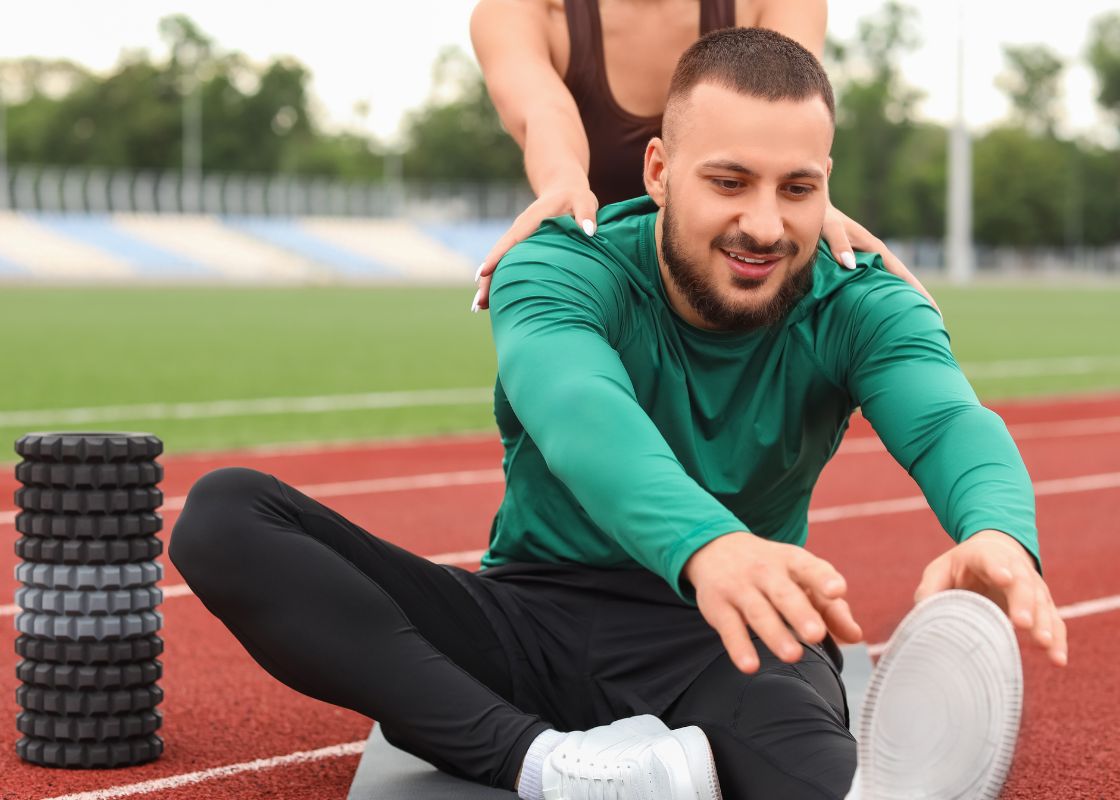
Repetitive movements tend to shorten muscular fibers, which pull the body out of alignment. Cycling, running, and lifting are among the most repetitive types of exercise. The application of massage lengthens these locked-short tissues, restoring balance and encouraging better posture. When it comes to personal training, this translates to more fluid movement patterns and decreased likelihood of muscle strain.
Strengthening Weak Muscles
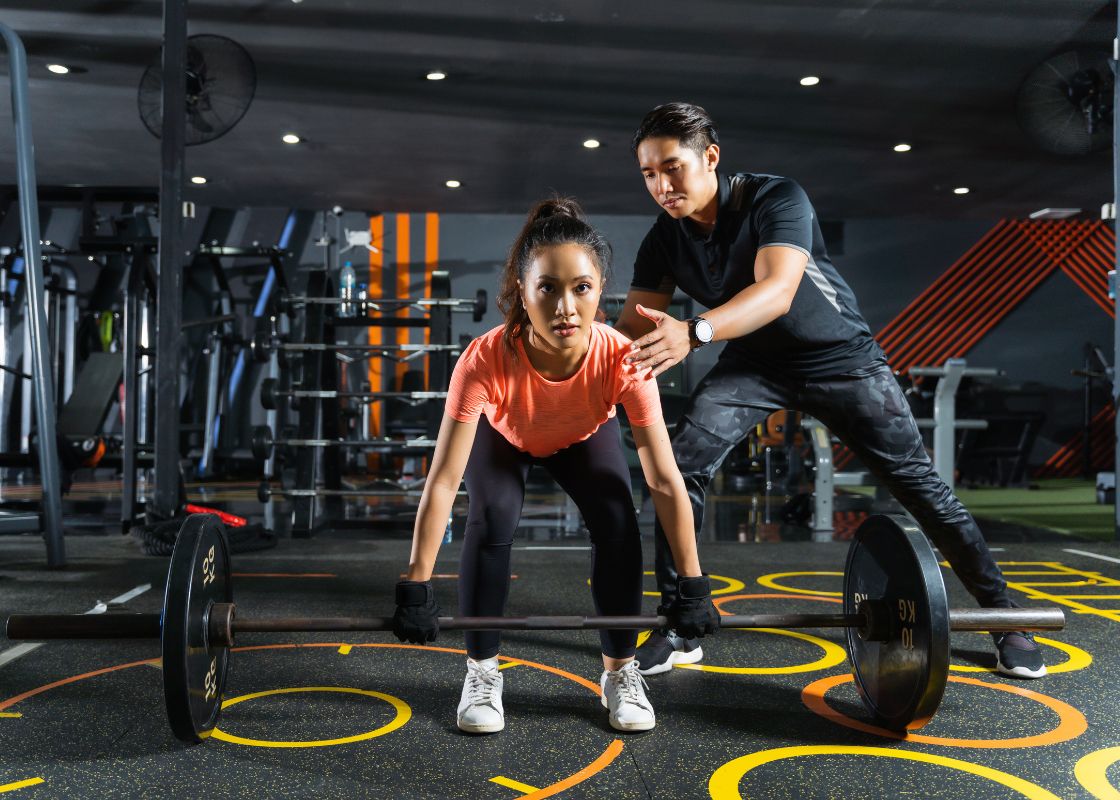
When one muscle group is overactive and hyper-contracted, other muscles tend to overstretch and weaken. A therapeutic massage aims to identify and address such imbalances, and your personal trainer can hone in on strengthening your areas that need it the most. Together, both massage therapy and personal training bring about a more stable and resilient body.
Mobilizing Restricted Joints
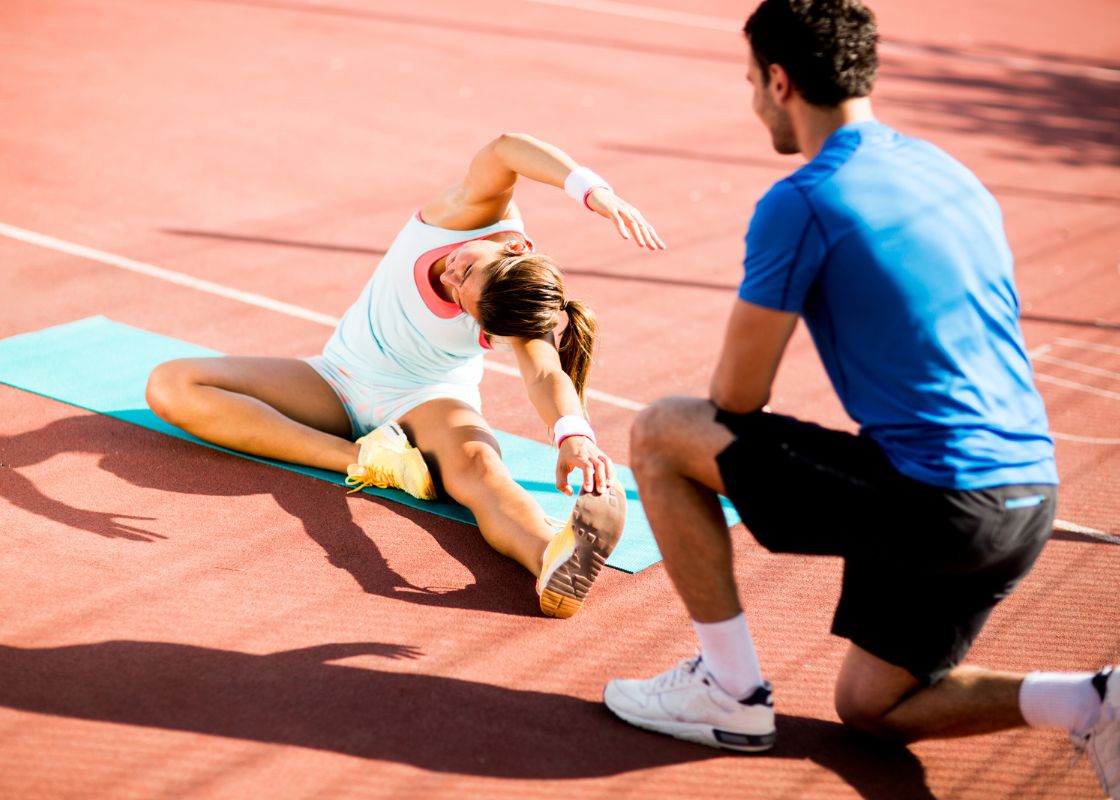
Restrictions in joint range of motion limit one’s abilities and often lead to overcompensations that can cause injury. Adding massage therapy to your health plan can improve joint mobility, which prepares the body for better form, efficient motion, and enhanced athletic performance during training.
Why This Combination Matters to Your Health
Massage therapy doesn’t just feel good. Here is a recap for how it can improve experience with personal training:
- Quicker recovery period
- Massage therapy decreases soreness and improves circulation, speeding up the recovery process post-workout.
- Enhanced athletic performance
- By targeting musculoskeletal imbalances and freeing up movement, massage will help your personal training sessions be more productive.
- Injury prevention
- A more balanced body is less likely to encounter overuse injuries, muscle strains, and postural issues.
- Long-term results
- Training builds strength while massage puts your body in a more balanced state – a combination that allows your fitness journey to safely progress.
When you combine massage therapy and personal training, you’re giving your body the ultimate benefit. Our four-step massage protocol prepares for exercise, while training improves your strength and endurance to keep you moving in the right direction.

Katrina Jenkins
Author, Licensed Massage Therapist
Katrina Jenkins graduated from Towson University in 2013 with a Bachelor’s Degree in Health Science and worked as a nurse’s aide briefly before pursuing her true passion. She graduated from the Massage Therapy Institute of Colorado in April 2016 with honors and completed the Touch of Healers Scholarship Program the following summer. She has been a part of the Moyer Total Wellness Team since the summer of 2017.
Resources
Arsovski, Denis. “Deep Tissue Massage Therapy: Effects on Muscle Recovery and Performance in Athletes.” International Journal of Therapeutic Massage & Bodywork Research Education & Practice, vol. 18, no. 2, 12 June 2025, pp. 40–51, https://doi.org/10.3822/ijtmb.v18i2.1139.
“Massage Therapy for Those Who Exercise | AMTA.” American Massage Therapy Association, www.amtamassage.org/about/position-statements/massage-therapy-for-those-who-exercise/.
“Prevents Injury – Benefits of Massage – Massage – Treatments – Physio.co.uk.” Www.physio.co.uk, www.physio.co.uk/treatments/massage/benefits-of-massage/prevents-injury.php.
Schoenfeld, Brad J, and Jozo Grgic. “Effects of Range of Motion on Muscle Development during Resistance Training Interventions: A Systematic Review.” SAGE Open Medicine, vol. 8, no. 8, Jan. 2020, p. 205031212090155, https://doi.org/10.1177/2050312120901559.
Photo Credit
Canva by Ziga Plhutar
Canva by Hemera Technologies
Canva by pixelshot
Canva by torwai
Canva by BGStock72