
The Role of Massage Therapy in Injury Recovery and Rehabilitation
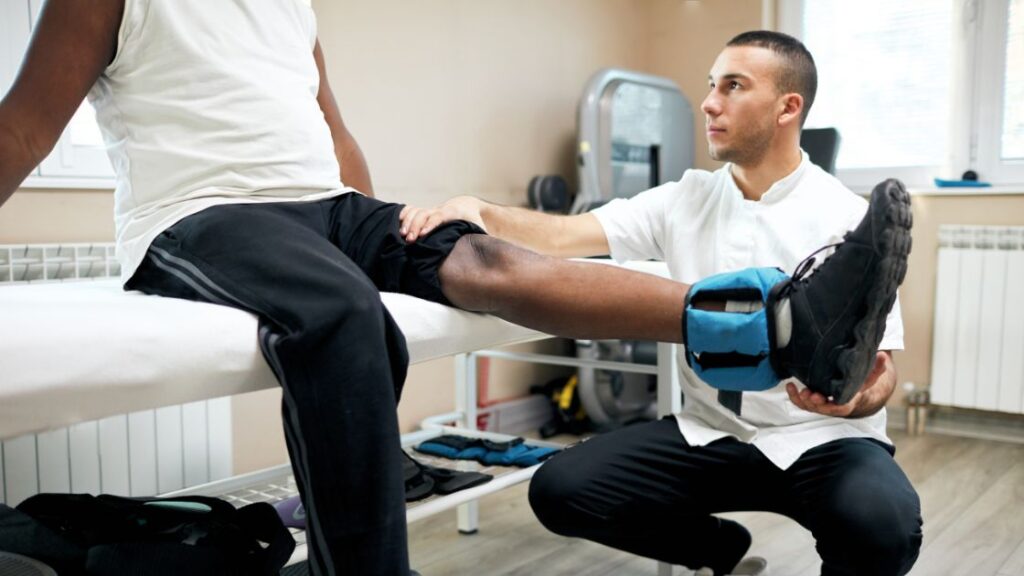
Whether your goal is to heal an injury, recover post-surgery, or work towards regaining your strength and mobility, the recovery process is a journey requiring time, patience, and the best support. A very powerful, yet oftentimes underestimated, supplement to recovery is therapeutic massage.
Massage therapy isn’t just a means of relaxation. A medical massage can be an important piece to rehabilitation by promoting blood and lymph circulation, easing muscle tension, reducing aches and pains, and aiding the body to efficiently heal. Today, we’ll talk about how massage therapy can be key to physical, as well as emotional, recovery and why that makes it a valuable addition to your healthcare plan.
So how does a therapeutic massage guide the body’s natural healing process and improve overall functioning?
Using Massage Therapy to Heal, Recover, and Regain Strength
Reduces Muscle Tension and Spasms
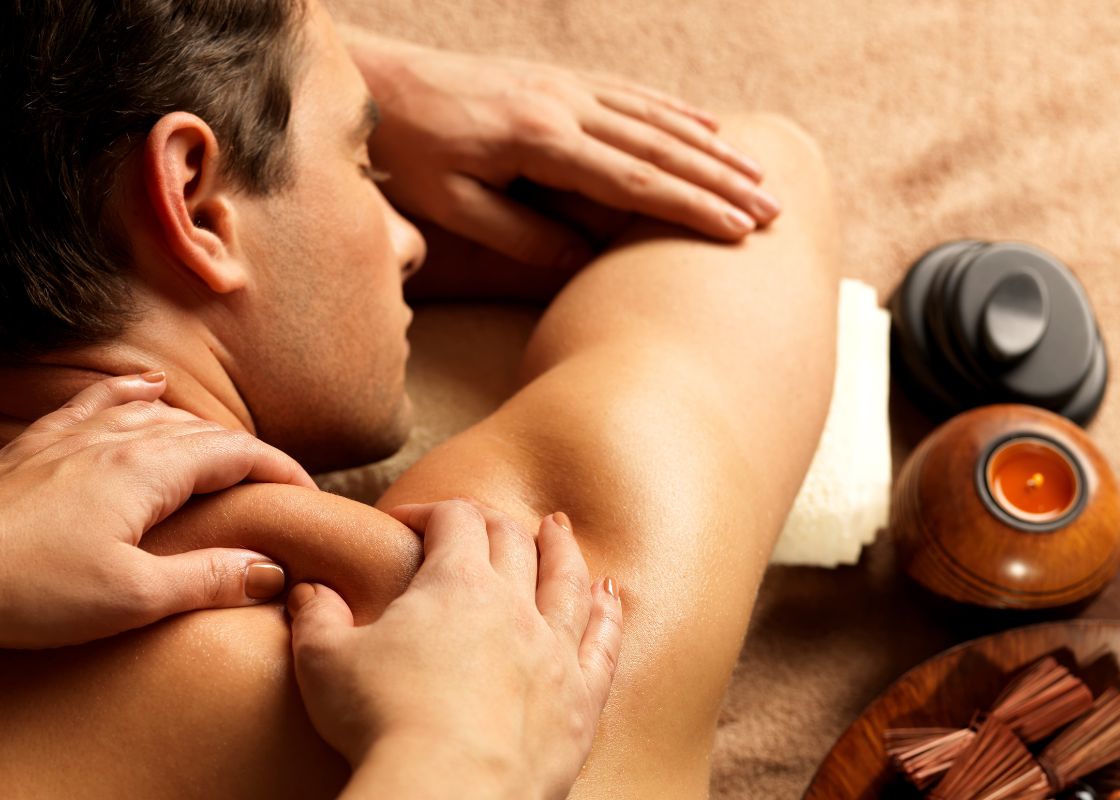
Bodily injuries and overuse cause muscular tissue to tighten or spasm. The first step of our 4-step treatment protocol at Moyer Total Wellness is to remove knots from muscular adhesions, with the second step being to lengthen the tissues locked short by those knots. When these steps are completed, the muscles are better able to relax – easing discomfort and improving muscle pliability.
Enhances Blood and Lymph Circulation
Adequate blood and lymph flow both play a crucial role in recovery.
Enhanced blood circulation delivers the necessary amounts of oxygen and nutrients to damaged bodily tissues and flushes out lactic acid, which is a naturally occurring waste product that results from muscle overuse. These functions support faster healing.
Through stimulation of the lymphatic system, massage therapy reduces edema and also removes waste products. This can be particularly helpful following surgery.
Supports Injury Prevention
The third step of our massage protocol is to strengthen muscles that have been weakened by tight surrounding muscles. Strong muscles are better at absorbing shock and completing actions with proper body mechanics; therefore reducing the risk of further injury.
A massage therapist can identify imbalanced areas before they become injuries, which assists with the maintenance of correct muscular functioning.
Decreases Physical Pain
In addition to reducing pain caused by knotted tissue, massage stimulates pressure receptors under the skin, which interrupts pain signals being sent to the brain. The body’s natural pain killers, endorphins and serotonin, surge in response to this stimulation.
Improves Flexibility and Range of Motion
The fourth, and final, step of our treatment approach is to mobilize restricted joints. Soft tissue manipulation combined with assisted stretching loosens tight muscles and their associated joints, which helps to restore flexibility and prevents stiffness during the recovery process.
Breaks Down Scar Tissue
Scar tissue that forms following surgery or a direct injury can limit movement and cause physical pain. The manual pressure from a massage stretches and mobilizes collagen fibers in scar tissue, encouraging them to align in a more functional direction.
Reduces Inflammation
It’s not just the improved circulation that helps moderate the body’s inflammatory response to injury. The reduction of stress hormones, such as cortisol, also curbs inflammation. While the inflammatory response is the body’s natural defense mechanism in response to injury, is can damage tissues when chronically activated.
Now You Know!
Alongside targeted exercises and stretching, massage is a useful tool when it comes to speeding up the recovery process. Optimize rehabilitation by booking a massage today!

Katrina Jenkins
Author, Licensed Massage Therapist
Katrina Jenkins graduated from Towson University in 2013 with a Bachelor’s Degree in Health Science and worked as a nurse’s aide briefly before pursuing her true passion. She graduated from the Massage Therapy Institute of Colorado in April 2016 with honors and completed the Touch of Healers Scholarship Program the following summer. She has been a part of the Moyer Total Wellness Team since the summer of 2017.
Resources
American Massage Therapy Association. (n.d.). Massage for Rehabilitation | AMTA. [online] Available at: https://www.amtamassage.org/resources/massage-and-health/rehabilitation/.
Brown Menard, M. (2021). Research on Injury Prevention | Massage Therapy Journal. [online] American Massage Therapy Association. Available at: https://www.amtamassage.org/publications/massage-therapy-journal/research-injury-prevention/.
Klein, I., Tidhar, D. and Kalichman, L. (2020). Lymphatic treatments after orthopedic surgery or injury: A systematic review. Journal of Bodywork and Movement Therapies, [online] 24(4), pp.109–117. doi:https://doi.org/10.1016/j.jbmt.2020.06.034.
Liu, M., Liu, Y., Peng, C., Wang, H., Xu, Y., Jiao, S. and Ding, Y. (2021). Effects of massage and acupuncture on the range of motion and daily living ability of patients with frozen shoulder complicated with cervical spondylosis. American Journal of Translational Research, [online] 13(4), p.2804. Available at: https://pmc.ncbi.nlm.nih.gov/articles/PMC8129293/.
Lubczyńska, A., Garncarczyk, A. and Wcisło‐Dziadecka, D. (2023). Effectiveness of various methods of manual scar therapy. Skin Research and Technology, 29(3). doi:https://doi.org/10.1111/srt.13272.
Yildiz, S., Ertugrul Gelen, Murat Çilli, Hasan Karaca, Gurhan Kayihan, Ozkan, A. and Cetin Sayaca (2020). Acute effects of static stretching and massage on flexibility and jumping performance. Journal of Musculoskeletal & Neuronal Interactions, [online] 20(4), p.498. Available at: https://pmc.ncbi.nlm.nih.gov/articles/PMC7716682/.
Photo Credit
Canva by vgajic
Canva by Fiona Gan’s Images